Liontown Ltd (ASX: LTR) shares enjoyed a good rally through the first quarter of 2026, before reaching a multi-year peak of $2.64 on the 1st of May.
But then sentiment quickly shifted, and investors started selling up.
Now, at the time of writing, the shares are just 60 cents each, 77% lower than that 1st of May peak and also down 63% year to date.
It made me question: Why have the ASX lithium miner's shares come under such heavy selling pressure this year? And what can we expect next?

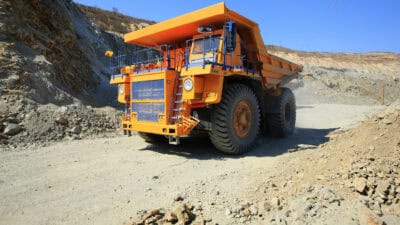
Image source: Getty Images
What has pushed Liontown shares lower over the past six months?
Liontown is practically a pure-play lithium miner, and its assets are overwhelmingly lithium-focused. This means it is sensitive to and heavily dependent on lithium price trajectories.
Investors leaned into Liontown shares earlier this year on the expectation that the company would benefit from strong lithium prices and expanding global EV demand over the long term.
The miner's development pipeline and exposure to future supply chains also looked attractive.
But even the strongest lithium business wouldn't have been able to withstand the mineral's volatile pricing this year. This year's Liontown share price crash is almost entirely due to lithium price movements, which have followed a very similar pattern.
Lithium prices climbed to a two-year high in early May before falling around 54% to early November.
At the time of writing, according to Market Economics data, lithium carbonate prices in China have slumped to a 12-month low of around CNY 93,000 per tonne following concerns about softer demand and market oversupply.
On the demand side, the EU is set to cap imports of Chinese hybrid electric vehicles at 350,000 units per year, starting in 2027. The move is expected to halve China's market share and limit orders from battery manufacturers in the region, following recent data showing higher-than-expected lithium inventories.
This also coincides with an increase in supply from Australian producers.
Mineral Resources Ltd (ASX: MIN) has restarted its Bald Hill lithium mine following an 18-month suspension, with full capacity expected in the second quarter of FY27. Core Lithium Ltd (ASX: CXO) has also restarted its Finniss project, with the first commercial shipment of newly produced concentrate targeted for next month.
Are there any company-specific headwinds?
Aside from lithium price movements, Liontown shares have also likely been pushed lower by investors' concerns about a major capital expenditure.
In late September, the company announced a final investment decision for its Kathleen Valley site. The board approved plans for a $389 million expansion project to lift its steady-state spodumene concentrate production to a targeted five-year average of 780,000 dmt a year from FY30, peaking at more than 800,000 dmt in FY34.
The project is self-funded, but it raises questions about whether the company should be committing to heavy capital expenditure during a lithium market decline.
Are the shares a buy, sell, or hold now?
Despite this year's share price sell-off, the experts are overwhelmingly bullish about the outlook for Liontown shares over the next 12 months.
Market Index data shows the majority of brokers have a buy rating on Liontown shares. The $1.06 average target price implies a potential upside of around 77% at the time of writing, suggesting there is good potential that the company can recoup this year's losses.
TradingView data shows something similar. Half of the analysts (7 out of 14) have a buy/strong buy rating on the shares. Five more have a hold rating, and two rate the stock as a sell. The average $1.02 target price is slightly lower but still implies around 70% upside at the time of writing.