Rural Funds Group (ASX: RFF) shares are steady at $1.92 apiece on Tuesday.
Rural Funds is an ASX agricultural real estate investment trust (REIT) that leases land and infrastructure to farmers.
The REIT's portfolio is focused on almond orchards, vineyards, cattle, cotton, and macadamias. Its tenants include Treasury Wine Estates Ltd (ASX: TWE), Australian Agricultural Company Ltd (ASX: AAC), and Select Harvests Ltd (ASX: SHV).
RFF is externally managed by Rural Funds Management (RFM), which has been managing agricultural investments since 1997.
RFM's strategy for Rural Funds is to generate capital growth and income from developing and leasing agricultural assets.
Image source: Getty Images
Let's talk dividends
Over the past 12 months, Rural Funds has paid investors 11.7 cents per share combined over four quarterly payments.
That gives this ASX REIT an unfranked trailing dividend yield of 6.1%.
That looks pretty good compared to the average yield from the S&P/ASX 200 Index (ASX: XJO) in FY26, which was 4.2% (with franking).
Top broker Bell Potter expects Rural Funds shares to continue paying an 11.7-cent dividend in FY27, FY28, and FY29.
That sort of stability is appealing for investors who value reliable passive income.
The broker also expects Rural Funds shares to grow given its 12-month price target of $2.55.
That implies 32.5% potential upside ahead.
Put the 6.1% dividend yield on top, and we're talking expected total returns of 38.6% over 12 months.
That looks even better next to the ASX 200's total return for FY26, which was 7%.
How much income will you get on a $15,000 investment?
Well, $15,000 will buy 7,812 Rural Funds shares today.
If we multiply 7,812 shares by 11.7 cents, we get income of $914.
Experts say income stocks are likely to become more appealing than growth stocks due to changes to capital gains tax (CGT).
From 1 July next year, the current 50% CGT discount for assets held longer than 12 months will be replaced with cost base indexation.
Existing ASX shares investments are grandfathered, which means the 50% discount will still apply to gains made before 1 July.
After that, capital gains on existing and new ASX shares investments will be subject to cost base indexation.
A minimum 30% CGT tax rate will apply.
This leads to an important question.
Would you rather be invested in companies paying out most of their profits as dividends, on which you will pay your marginal rate of tax?
Or would you prefer companies that reinvest their profits in order to grow their share prices, then pay 30% CGT when you sell?
The answer to this question depends on what stage of life you're in, and what your priorities are.
In FY27, the marginal tax rate on income up to $18,200 is zero.
The tax rate on income between $18,201 and $45,000 is 15%.
These tax brackets are especially relevant to retirees who are no longer receiving wages but are getting some investment income.
Investors switch to ASX income stocks ahead of CGT changes
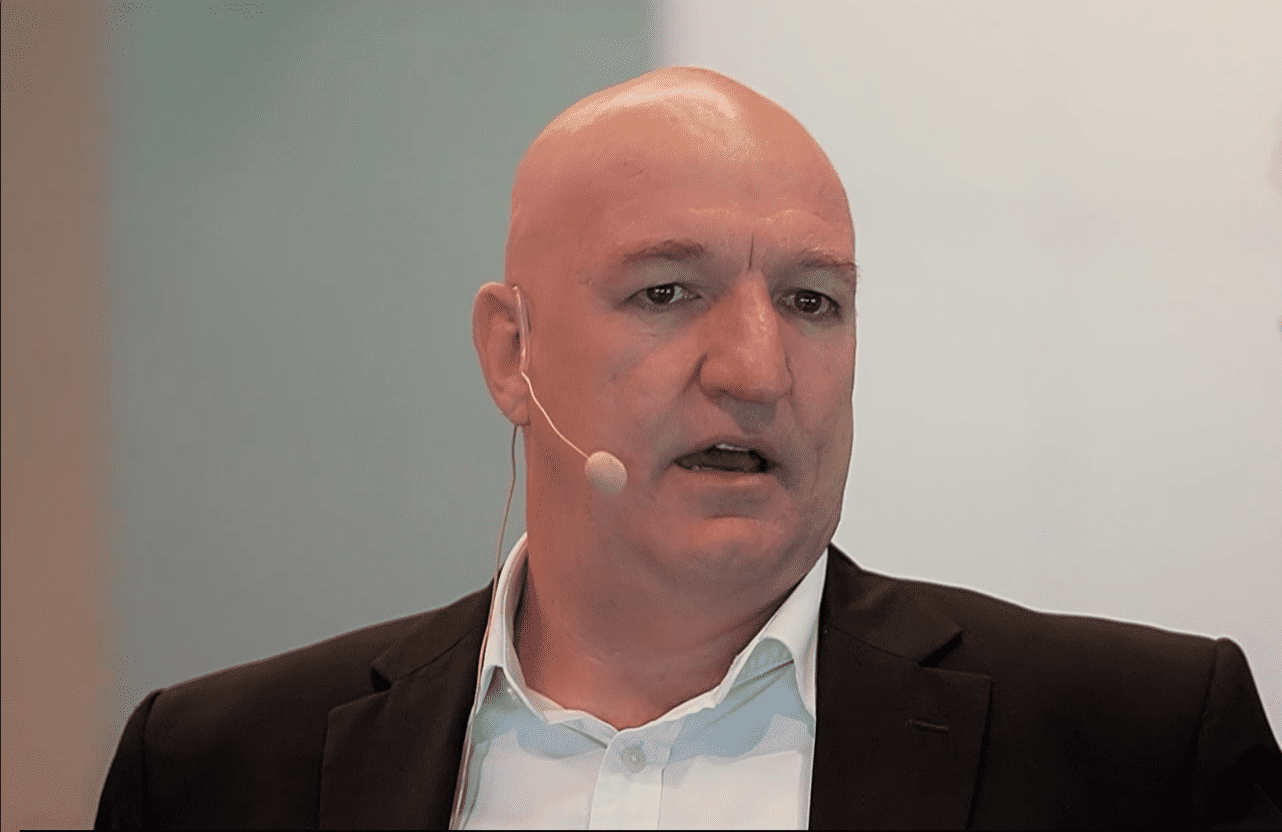
Portfolio strategist Damien Boey from Wilson Asset Management says many clients are switching to dividend shares ahead of 1 July.
Boey said:
So a lot of people … have decided that look, it's not worth their while anymore to keep holding out for big capital gains.
They'd rather actually go for much more income-based investment … there's definitely a shift there for investors to prefer income over capital growth.
Boey says investors who still want to target growth are looking overseas to markets like the US.
Presumably, the logic is to take advantage of Australia's superior dividend yields and franking credits, and seek outsized growth elsewhere.
In FY26, US shares grew at a faster rate than ASX 200 shares by a factor of 7x.
Perhaps a 30% CGT tax rate feels more palatable to investors when they're achieving extraordinary gains.
Boey reckons the ASX is unlikely to deliver outsized capital growth any time soon given weak long-term productivity.
He said:
…when you're really starving the place of actual, real productivity growth, then what are you actually earning?
Where is the capital growth going to come from?
Rural Funds share price snapshot
Rural Funds shares are down 1% over 12 months and down 32% over five years.