Reaching 50 with little or no savings would be daunting.
But I would not see it as too late to start.
There would still be time to build meaningful wealth, particularly if I could save consistently and avoid making the process more complicated than it needs to be.
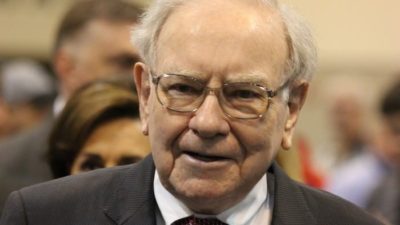
And if I were starting from scratch, I would take plenty of inspiration from Warren Buffett.
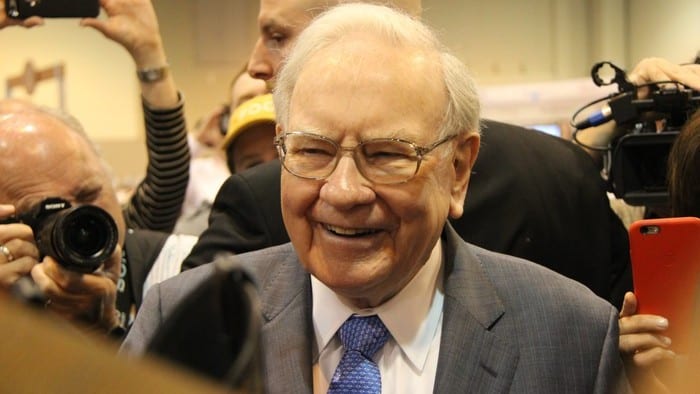
Image source: Motley Fool Editorial
Why Warren Buffett?
Buffett, often called the Oracle of Omaha, has spent decades showing what patient, disciplined investing can achieve.
He took control of Berkshire Hathaway (NYSE: BRK.A) in the 1960s when it was still a struggling textile business.
Over time, he transformed it into one of the world's most valuable companies.
The textile operations eventually disappeared, while Berkshire became a collection of high-quality businesses and investments spanning insurance, railroads, energy, manufacturing, consumer products, and listed shares.
A big part of Buffett's success has come from buying good businesses, holding them for long periods, and allowing compounding to do the work.
That is the part I would copy.
I would focus on quality
Starting at 50 would make me reluctant to gamble on highly speculative shares.
I would want companies with strong balance sheets, proven business models, good competitive positions, and the ability to increase earnings over many years.
On the ASX, that could lead me toward businesses such as Wesfarmers Ltd (ASX: WES), ResMed Inc (ASX: RMD), Goodman Group (ASX: GMG), and TechnologyOne Ltd (ASX: TNE).
They are different companies, but each has qualities that could allow it to keep becoming more valuable over time.
I would not expect every investment to work perfectly.
Buffett has made plenty of mistakes himself. The important thing is making sure the winners have the potential to do far more good than the losers do damage.
I would keep adding money
With no savings at 50, investment selection would only be part of the job. I would need to build the capital base.
That means investing regularly and increasing contributions whenever possible.
If I could invest $1,500 a month and generate an average annual return of 10%, after 15 years the portfolio could grow to around $600,000.
At $2,000 per month, it could reach roughly $800,000.
Those returns are not guaranteed, of course, but they show why starting now is so much better than waiting another five years.
I would leave the portfolio alone
One of Buffett's greatest advantages has been patience. He has often held successful investments for decades rather than constantly trading in and out of the market.
I would try to do the same. Once I owned quality businesses, I would give them time to grow earnings, reinvest profits, pay dividends, and compound.
I would still review the portfolio and sell if the investment case genuinely changed. But I would not let every market fall, broker downgrade, or bad week convince me to start again.
At 50, I would not have time to waste. But I would still have enough time for patience, regular investing, and compounding to make a very meaningful difference.