BHP Group Ltd (ASX: BHP) shares fell 3.02% to $62.63 on Thursday as iron ore slipped back below US$100 a tonne.
Rio Tinto Ltd (ASX: RIO) dropped 3.45% to $173.15, and Fortescue Ltd (ASX: FMG) lost 2.41% to $17.19.
Overall, mining shares did much of the damage to the index on the day.
The question is whether a sub-US$100 iron ore price will lead to sustained declines for these miners.
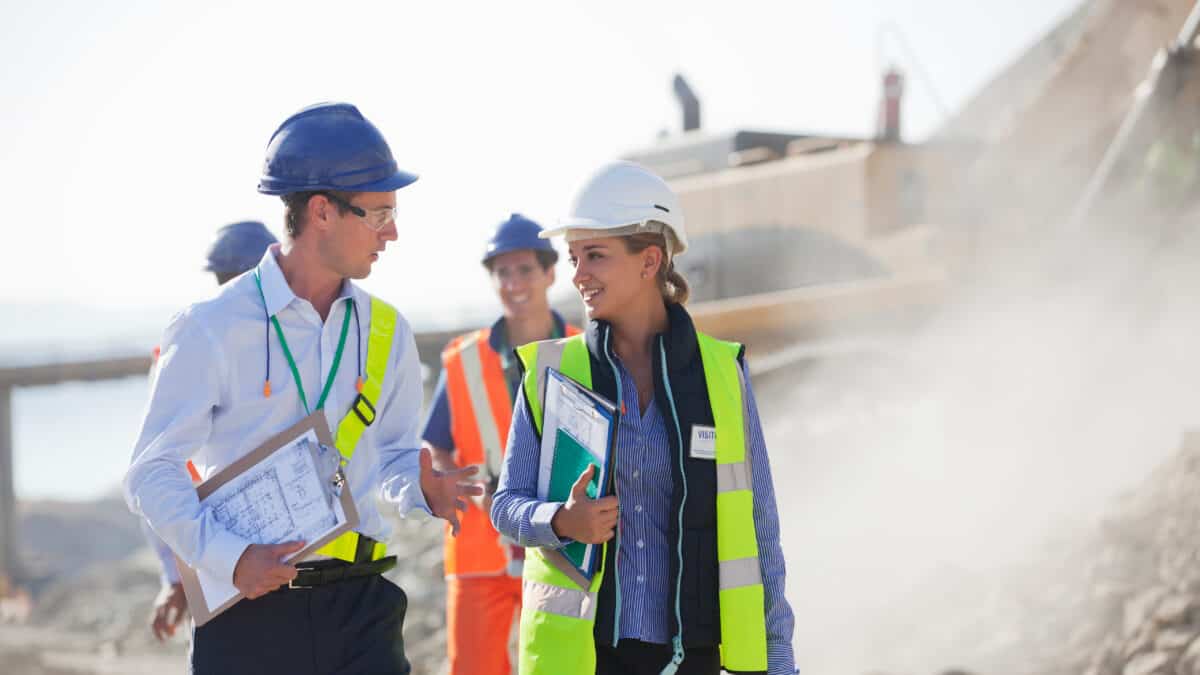
Image source: Getty Images
Why BHP shares are less exposed than they look
The composition of BHP's earnings has changed.
Copper now accounts for 54% of group earnings before interest, tax, depreciation and amortisation.
Iron ore is still enormous, but it is no longer the majority of the business.
The FY26 result showed what that mix produced.
Underlying EBITDA rose 27% to a record US$32.9 billion and underlying attributable profit climbed 30% to US$13.2 billion.
Net operating cash flow grew 17% to US$21.8 billion.
BHP determined US$8.7 billion of dividends, or 172 US cents per share, on a 66% payout ratio.
Net debt finished at US$8.7 billion, around 0.3 times EBITDA.
Management is guiding to 3% to 4% compound annual growth in copper equivalent volumes through to FY35, with capital expenditure steady near US$11 billion in FY27.
What the miners earn at these prices
Fortescue is the most pure iron ore exposure of the three.
The company's FY26 revenue grew 9% to US$17.0 billion and underlying EBITDA rose 9% to US$8.6 billion at a 51% margin.
Free cash flow increased 25% to US$3.2 billion and shipments hit a record 201.3 million tonnes.
The company's Hematite C1 unit cost was US$18.74 per wet metric tonne.
That cost number is one to watch.
At under US$19 a tonne to dig it out, Fortescue still makes very good money with iron ore near US$100.
FY27 guidance does show costs rising to between US$20.50 and US$21.75 a tonne.
What brokers make of BHP shares
Not everyone is convinced after the run.
Gray Perry Wealth Advisers' Blake Halligan has a hold recommendation on the miner.
BHP remains a high-quality diversified miner with large, low-cost assets and increasing exposure to copper.
His reasoning for holding was equally direct.
Commodity-price sensitivity and project execution risks support retaining BHP rather than increasing exposure.
That caution is understandable given the starting point.
Including dividends, BHP has returned about 62% over the past 12 months and reclaimed its position as the largest company on the ASX.
How the three compare today
The valuations tell three different stories.
BHP trades on a price-to-earnings ratio of 23.3 with a 3.87% fully franked yield after gaining 43% this calendar year.
Rio Tinto sits on 17.2 times earnings with a 3.81% yield and is up 24% year to date.
Fortescue is on 13.6 times with a 6.16% yield, and is down 15% for the year.
Foolish takeaway
Iron ore below US$100 matters most to the company that sells nothing else.
That is Fortescue, and it is also the cheapest of the three by a wide margin.
BHP shares are the highest quality and most expensive, and the copper transition provides valuable diversification benefits.