Somewhere in the region of 20 years ago, I took a flight into South Australia's Far North to visit BHP Group Ltd (ASX: BHP)'s massive Olympic Dam mine.
At the time, the company was planning a huge $20 billion to $30 billion open-pit expansion of the mine, which produces copper, gold, silver, and uranium.
To get a sense of the scale of the proposed undertaking, the planned open pit was expected to be greater than the size of the city of Adelaide.
That project, which had seemed all but inevitable, was shelved in the face of weak copper prices and rising capital costs, with massive amounts of overburden needing to be removed before the ore deposit was unearthed.
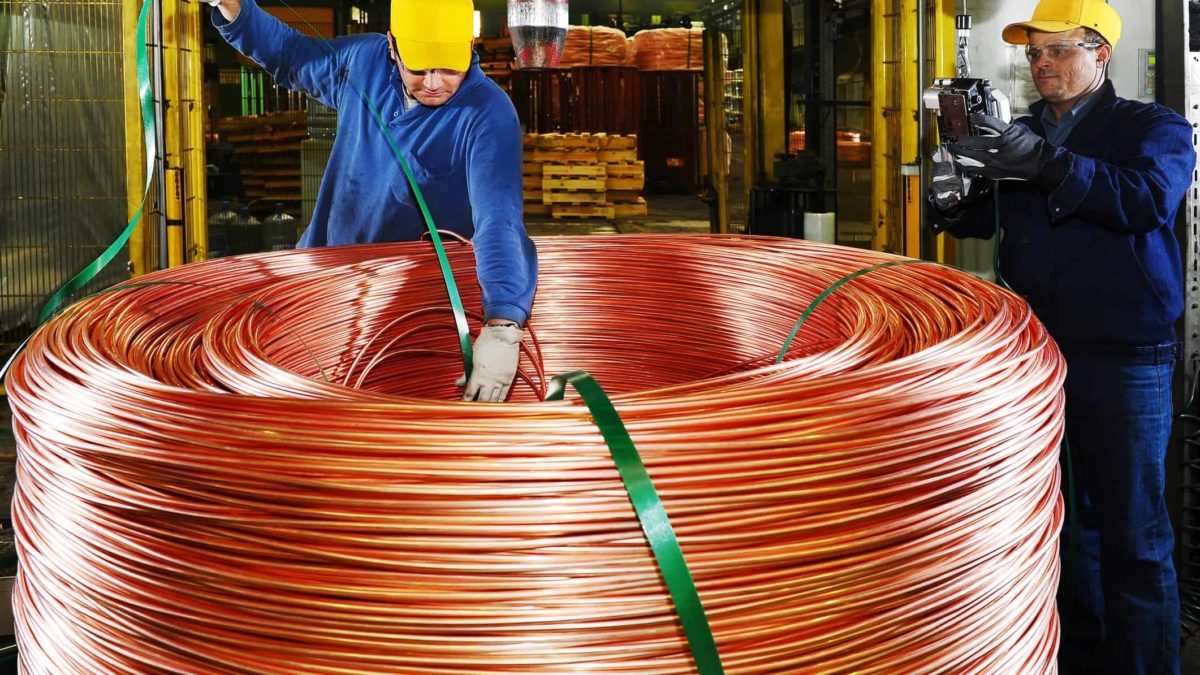
Image source: Getty Images
Second expansion also falters
BHP floated the idea for another expansion from 2014 to 2020, this time a heap-leaching operation, which was again shelved.
The company is now going for a third tilt at an expansion plan, which management expects will boost copper output to 500,000 tonnes per year by 2035, up from about 220,000 tonnes in FY26, which was its highest production rate in more than 20 years.
A further uplift to 650,000 tonnes is planned by 2040.
Copper seen as a crucial commodity
The expansions fit with BHP's strategy over the past few years to focus on three main commodities: copper, iron ore, and potash.
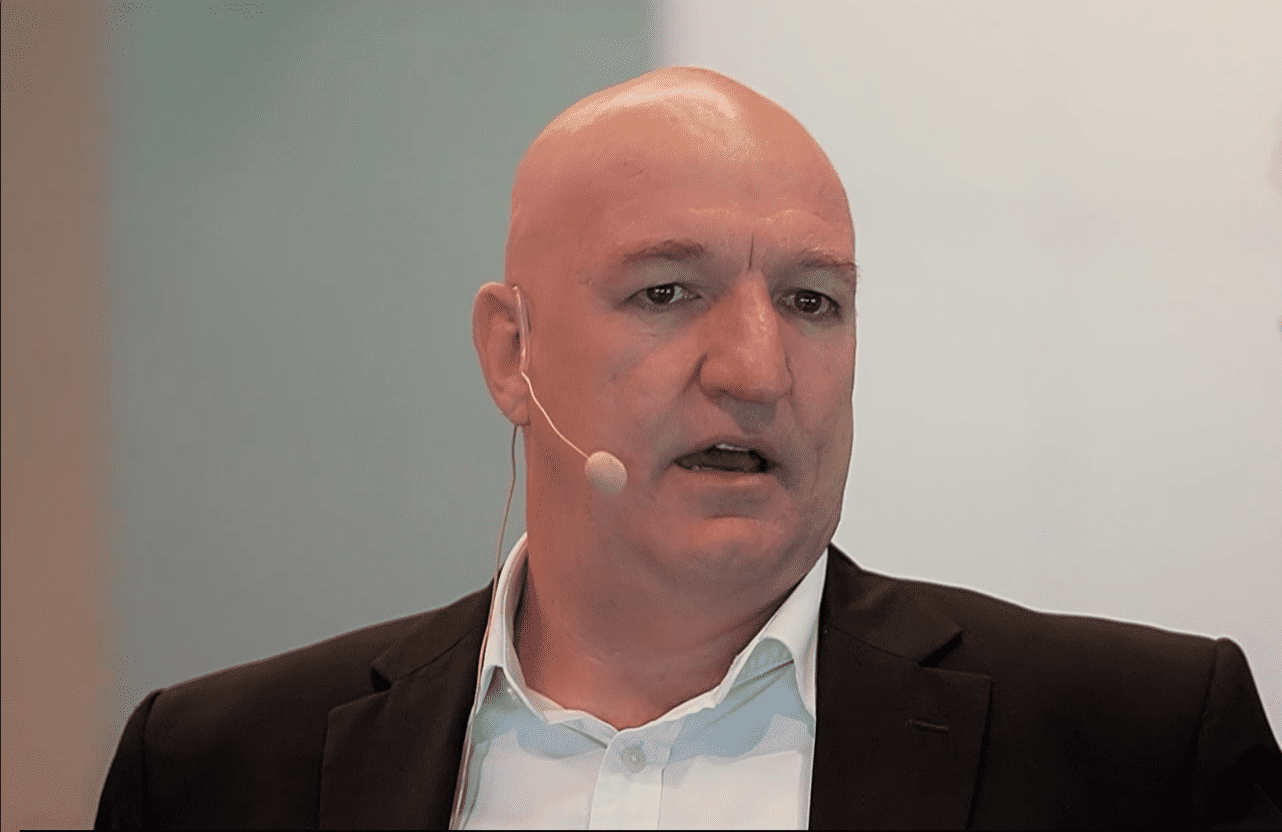
Copper now accounts for more than half of BHP's earnings, diversifying the company away from iron ore, and the company is now the world's largest copper producer, according to Chief Executive Officer Brandon Craig's address at the annual general meeting on 20 October.
Mr Craig told the meeting BHP was confident demand would stay strong for an extended period of time.
He said:
Copper is becoming increasingly important to the modern economy. It is critical for electrification, digital infrastructure, manufacturing and economic development around the world. Copper and steel are in the wind turbines, electric vehicles, transmission lines and solar panels that will power the future.
Mr Craig added that "company-wide, our current plans are expected to support compound annual production growth of approximately three to four per cent through to 2035, including around five per cent annual growth for copper''.
So why should you consider buying BHP shares this week?
Well, it's because BHP is hosting an analyst visit to Olympic Dam and the broader South Australian copper business starting on 22 November.
And if those analysts are impressed, broker Barrenjoey says new ratings might be on the way.
Barrenjoey said in an 18 November note to clients:
We suspect BHP will be hoping the visit leads to consensus upgrades to production, earnings and valuation, given consensus production forecasts currently sit below even the first phase of the expansion, which is to 500ktpa Cu.
Barrenjoey itself has a price target of $63 on BHP shares, which is 19.6% higher than the current level of $52.68.
Foolish takeaway
After two false starts, BHP seems determined to go ahead with this new copper plan in South Australia.
The company also has another potentially large deposit, Oak Dam, in the region, which is currently not factored into its plans and could add further upside.
With copper vital to increasing electrification, boosting production is a winning strategy.