With hundreds of stocks on the ASX, and tens of thousands around the world, it can be a difficult task to sift through the options to find your next investment. Does one buy a company they know well? Does one look to the price-to-earnings ratio (P/E), or the dividend yield?
Of course, every investor is different, and will buy ASX shares as investments for different reasons. But today, I thought it would be helpful to discuss the three things I usually check for in an investment before I commit my hard-earned dollars to its shares.

Image source: Getty Images
3 things to check before buying an ASX share
History
I'm a big believer in the idea that winners keep on winning. Of course, there are exceptions to this rule. But when a company has a history of putting runs on the board, it usually bodes well for the future. So before I buy an ASX share, I'll take a good look at its history. I'll check whether the company is able to consistently obtain a good return on its invested capital. I'll check its revenue growth over time, as well as its earnings per share (EPS) growth. And I will also look at its long-term share price trajectory too. The market always rewards winners, even if not immediately.
Dividends
A company's dividends are usually my second port of call. I don't just look at a company's yield, and what kind of income I can expect up front, though. That's important, of course. But I'm more interested in a company's dividend history. See, even paying a consistent dividend, let alone an increasing one, is a meaningful financial drain on a company.
Only the best stocks can afford to consistently increase their shareholder payouts over time without overextending themselves. Accountants can fudge earnings and profits, but dividends are harder to fake. If I see a smooth staircase of dividend hikes over many years, it's a big green flag.
Before buying ASX shares, don't forget the moat
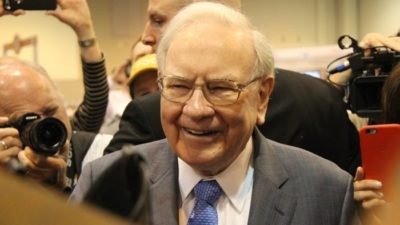
Last, but not least, I'll usually assess whether a company displays signs of possessing at least one form of an economic moat before I commit to an investment. A moat is the term first used by legendary investor Warren Buffett to describe a permanent competitive advantage a company can possess. This might be a strong brand that commands loyalty, offering a product or service with a high switching cost, or being able to profitably sell goods or services at the lowest prices on the market.
For a company to be a consistent market-beater over time, it usually has to have at least one of these characteristics. So if I see a stock that doesn't have anything that sets it apart from its competition, chances are I will ride on by.