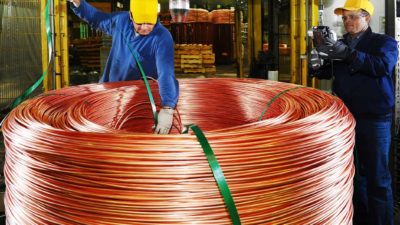
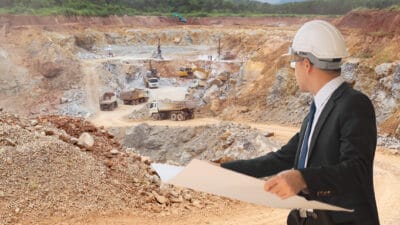
The red metal sits at the intersection of electrification, artificial intelligence, and the energy transition.
BHP Group Ltd (ASX: BHP) has been positioning for this moment for years.
Copper rarely makes headlines the way gold or lithium do.
But right now, the structural case for the red metal is as strong as it has ever been, and no ASX-listed company stands to benefit more from what plays out over the next five years than BHP.
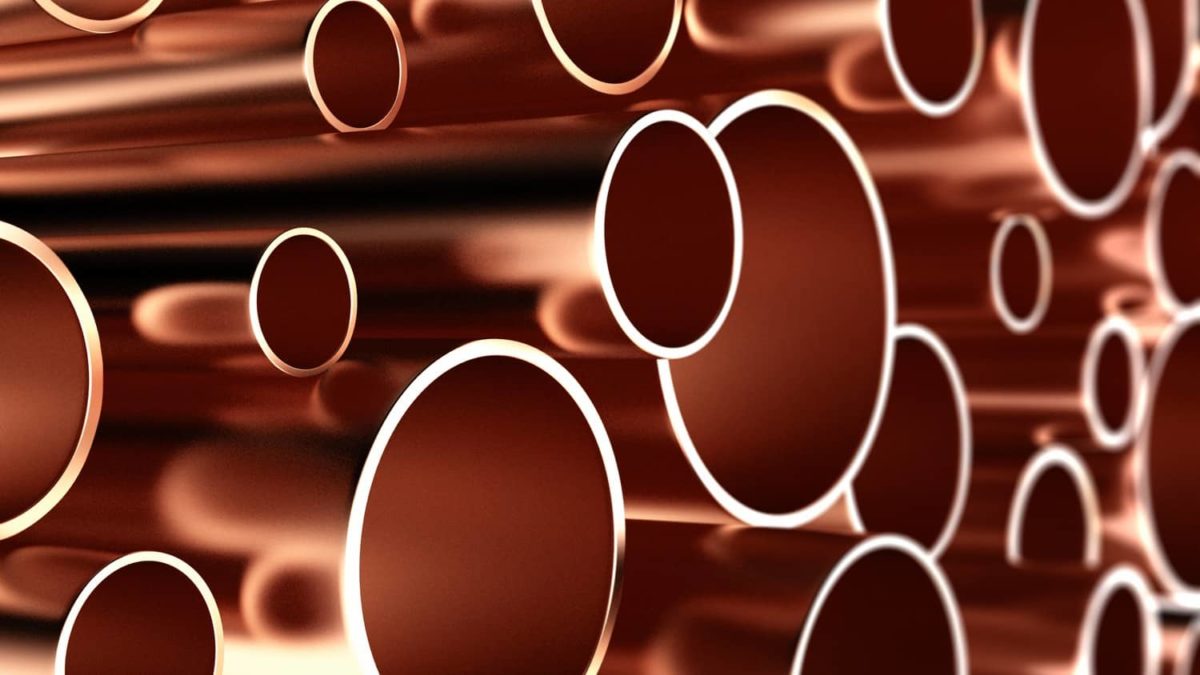
Image source: Getty Images
Why copper demand is accelerating
Three powerful forces are simultaneously driving copper demand higher.
The first is electrification.
Electric vehicles require approximately three times as much copper as traditional internal combustion cars, and the global EV fleet continues to grow rapidly.
Wind turbines consume three metric tons of copper per megawatt of power produced. The second force is the energy transition more broadly, with solar farms, battery storage systems, and electricity grid upgrades all requiring substantial copper investment.
The third, and increasingly significant, force is artificial intelligence.
A January 2026 study by S&P Global found that data centre electricity consumption in the United States could rise from 5% of total power demand today to as much as 14% by 2030.
Individual hyperscale facilities may require up to 50,000 tonnes of copper for wiring, grounding, and cooling systems.
S&P Global projects global copper demand to reach 42 million metric tons by 2040, a 50% increase from current levels, and estimates mine output will peak in 2030 before beginning to fall.
Supply cannot keep up
Opening a new copper mine takes an average of 15 to 20 years from exploration to production.
That means the projects needed to meet demand beyond 2030 should already be under construction today, and in most cases, they are not.
The International Copper Study Group projects the market moves from a slight surplus in 2025 to a deficit of more than 150,000 tonnes by 2026, with that gap widening significantly after 2030.
Red Cloud Securities forecasts the copper price to average US$6 per pound by 2030, up from around US$5.47 per pound today.
BHP's copper position
BHP produces between 1.8 and 2 million tonnes of copper per year across its Escondida mine in Chile, the world's largest copper operation, and its Olympic Dam and Carrapateena assets in South Australia.
In October 2025, BHP committed more than US$550 million to expand Olympic Dam, an investment that reinforces its long-term commitment to growing copper output.
BHP plans to grow copper-equivalent production at 3% to 4% per year through 2035.
This rate should compound meaningfully as higher copper prices flow through to margins.
The company also holds a 45% stake in Resolution Copper alongside Rio Tinto Ltd (ASX: RIO), a deposit capable of producing 40 billion pounds of copper over 40 years, roughly a quarter of projected US copper demand.
Foolish Takeaway
Copper has become a strategic resource sitting at the intersection of electrification, artificial intelligence, and the energy transition.
Supply simply cannot grow fast enough to meet what demand requires.
BHP, with its scale, its existing copper assets, and its ongoing investment in new production, sits in an enviable position to capture that opportunity over the next five years and beyond.