


Generating a $5,000 a month retirement income from ASX dividend shares is a big target, so I think the best way to approach it is to break the numbers down step by step.
That starts with a simple question: How much income is needed each year, and what dividend yield could realistically deliver it?

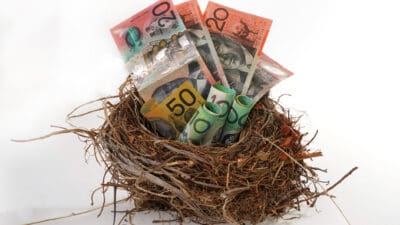
Image source: Getty Images
Start with the annual income target
The first step is turning the monthly target into an annual number.
A retirement income of $5,000 per month means $60,000 per year.
From there, the amount needed depends on the dividend yield I can achieve.
A portfolio yielding 4% would require more capital, but it may also allow investors to focus on higher-quality ASX dividend shares with more room for growth.
A portfolio yielding 6% would require less capital, but I would be careful. A higher yield can be attractive, but it can also signal that the market is worried about the sustainability of the dividend.
That is why I think the right answer sits somewhere in the middle.
What the numbers look like
At a 4% dividend yield, an investor would need a portfolio of $1.5 million to generate $60,000 per year.
With an average 5% dividend yield, the required portfolio falls to $1.2 million.
And at a 6% dividend yield, it falls again to $1 million.
On paper, the 6% option looks tempting. But I would not want to build an entire retirement plan around chasing the highest yields available.
The danger is that a portfolio becomes too concentrated in riskier income shares. If one or two dividends are cut, the whole income plan can be thrown off.
Why I would target 5%
For me, a 5% yield feels like a more balanced target.
It is high enough to generate a meaningful income stream, but not so high that investors need to rely only on the most stretched dividend yields in the market.
A portfolio targeting 5% could include a mix of higher-yielding shares, more defensive income names, and dividend-focused ETFs.
For example, HomeCo Daily Needs REIT (ASX: HDN) could provide exposure to daily-needs property income, and Harvey Norman Holdings Ltd (ASX: HVN) could add a higher-yielding retail and property-backed income angle.
The Vanguard Australian Shares High Yield ETF (ASX: VHY) could also help by spreading the exposure across a basket of dividend-paying ASX shares.
I would not rely on only those holdings. A retirement portfolio should be broader than that. But I think names like these show how a 5% yield target could be realistic with careful selection.
Do not forget dividend growth
Today's income is only part of the story.
In retirement, I would want some dividend growth as well. Inflation can slowly reduce the purchasing power of $5,000 per month, so a portfolio that can lift its income over time is valuable.
That is where a mix matters.
Some ASX dividend shares may provide a higher yield now. Others may offer a lower starting yield but better long-term dividend growth. Combining both could make the income stream more resilient.
Foolish Takeaway
Based on a 5% dividend yield, an investor would need around $1.2 million in ASX dividend shares to target $5,000 per month in retirement income.
That is a large number, but I think it is best viewed as a long-term destination rather than a starting point.
By investing consistently, reinvesting dividends before retirement, and building a diversified portfolio, investors can gradually move closer to that goal.