If I had to pick one ASX dividend stock to hold through thick and thin, it would be Transurban Group (ASX: TCL).
This isn't a flashy growth stock. It's not chasing hype. But when it comes to reliability, few businesses on the ASX come close.
So what makes this ASX dividend stock so dependable?
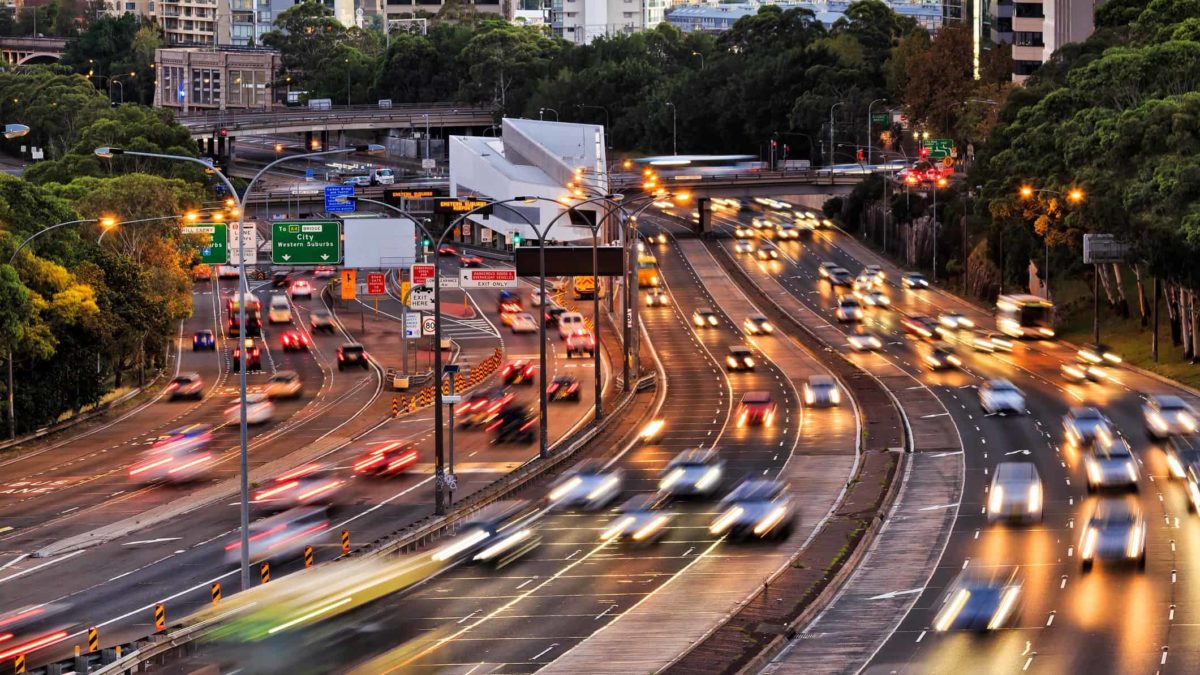
Image Source: Getty Images
Major toll road operator
Start with its core business. Transurban owns and operates major toll roads across Australia and North America, including some of the busiest urban motorways. These are essential assets. People rely on them every day to get to work, move goods, and keep cities running.
That creates incredibly stable and predictable cash flow.
Even better, many of its toll roads have long-term concession agreements and pricing linked to inflation. That means revenue can grow steadily over time, even in uncertain economic conditions.
It's the kind of business designed to endure.
And that's exactly what income investors want from an ASX dividend stock.
Sustainable, growing payouts
The $43 billion ASX dividend stock has built a strong track record of paying consistent distributions. While yields can vary, the focus is on sustainable, growing payouts backed by real assets and recurring revenue. In other words, it's not just about dividend yield, it's about reliability.
Transurban pays two dividends per year. In February, the toll road operator paid an interim dividend of 34 cents per share, unfranked.
For FY26, the company has forecast a distribution of 69 cents per security, which implies a forward dividend yield of 4.9%.
But this isn't just a defensive play. There's also a clear growth path.
Transurban continues to invest in major infrastructure projects, expanding its network and increasing capacity on existing roads. As cities grow and congestion rises, demand for its assets typically increases as well.
That creates a long runway for future earnings growth.
High debts, regulatory risk
Now, let's talk risks. Like any infrastructure business, Transurban carries significant debt. That's part of the model, but it also means the company is sensitive to interest rate movements.
Higher rates can increase financing costs and put pressure on returns.
There's also regulatory risk. Toll pricing and concession agreements depend on government relationships, and any changes could impact profitability.
And while traffic volumes are generally resilient, they can still dip during economic slowdowns or unexpected events.
Even so, the long-term picture for the ASX dividend stock remains compelling.
This is a business built on essential infrastructure, backed by inflation-linked revenue, and supported by population growth and urbanisation trends. It doesn't need perfect conditions to perform.