Warren Buffett is one of the world's wealthiest people, despite giving away billions of dollars for philanthropy. Together with the late Charlie Munger, Warren Buffett made numerous wise investment decisions that built Berkshire Hathaway into the powerhouse that it is today.
But, there's much more to his long-term success than it may seem. We don't need to make things complicated to do well over time.
By following the Warren Buffett method, I believe it's possible for many Australians to accumulate a substantial amount of wealth by retirement, if they save and invest (even if they're 50 with no savings).
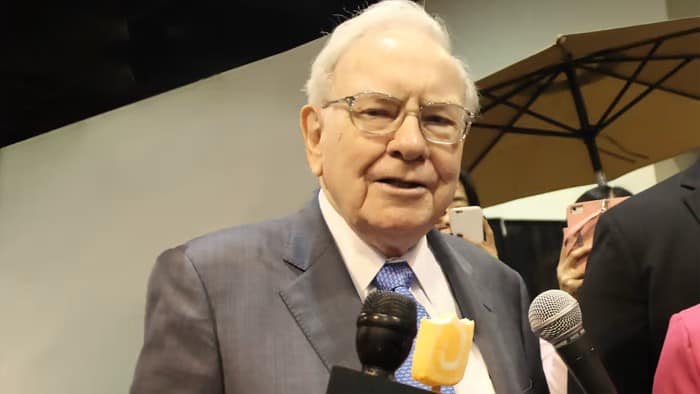
Image source: The Motley Fool
Live a simple life
Warren Buffett does not live a luxurious, flashy lifestyle. There are many examples from his life where he has lived frugally compared to what he could have spent. In other words, he has spent less than he has earned.
He has lived in the same house for more than 60 years, and it's not a mansion. If he were Australian, that would have saved a lot on stamp duty, selling agent fees, and moving costs.
Another frugal choice Buffett has reportedly made is the types of cars he buys. He supposedly usually buys second-hand cars and keeps them for a long time. New cars usually decline in value quite quickly – it could be better to buy a second-hand car and invest the saved money.
Spending less than you earn is a powerful financial strategy that creates financial flexibility in a household's budget. Spending less also means requiring a smaller nest egg to sustain that level of spending in retirement.
Don't just focus on money
There's more to life than just making money, of course. It's good to enjoy life between now and a financial target that takes years to reach. Also, being kind to people around you is important. He's said a number of things on this topic, including these two:
Keep in mind that the cleaning lady is as much a human being as the chairman.
Decide what you would like your obituary to say and live the life to deserve it. Greatness does not come about through accumulating great amounts of money, great amounts of publicity or great power in government. When you help someone in any of thousands of ways, you help the world. Kindness is costless but also priceless. Whether you are religious or not, it's hard to beat The Golden Rule as a guide to behaviour.
Invest in what you understand
I firmly believe that investing is a crucial component of building wealth over time. But, I believe it's a good idea to only invest in assets that we can understand.
If you don't know why you're buying something, then how are you supposed to know when to sell? What are the signs that a business is doing well? How will you know an investment thesis is playing out as expected? Will you understand if a downturn is a temporary dip or a permanent decline?
Warren Buffett calls that type of investing staying in your circle of competence.
I think being able to stay invested for the long term is important. But, crashes and setbacks do come along sometimes. I only want to invest in businesses/investments that I'd want to buy more of if there were a large market correction (or worse). That way, crashes are exciting opportunities rather than worrying events. It's good to be greedy when markets are fearful.
Choose investments that are likely to compound
Ultimately, investing is about growing our money to be worth more than it is today. If we're not spending it on essentials/enjoyment today, then we want to see it's doing well over time.
Compound interest is a very powerful financial tool, and we can utilise it by investing in growing businesses. Warren Buffett has shown the power of compound interest for Berkshire Hathaway over the decades.
Over the long term, I'm expecting investments like Vanguard MSCI Index International Shares ETF (ASX: VGS), Washington H. Soul Pattinson and Co. Ltd (ASX: SOL), and VanEck MSCI International Quality ETF (ASX: QUAL) to grow in value.
If a portfolio can grow by an average of (at least) 10% per year over the long term, then after 17 years (the pension age is 17 years away for a 50-year-old), someone who invests $1,000 per month could grow their nest egg to $486,500. Investing $2,000 per month would turn into $973,000!