There's no doubt that owning Bitcoin (CRYPTO: BTC) has been a spectacular investment over the past few years.
Sure, the cryptocurrency is infamously volatile and has had more than a few ups and downs over its history. But with Bitcoin up a stunning 91.6% over just the past 12 months, anyone who has owned this digital token for more than a few months would be very happy right now. That's despite the fact that the cryptocurrency, at ~US$115,300 per coin today, is still more than 6.5% down from the all-time high of over US$123,000 that we saw last month.
Thanks to these monstrous gains, many ASX investors might be looking to add ot their Bitcoin exposure right now.
However, anyone wishing to buy Bitcoin or other major cryptocurrencies has plenty of avenues to explore today.
There's always the option to buy Bitcoin directly from the numerous cryptocurrency exchanges that facilitate the direct buying or selling of cryptocurrencies. Many investors prefer this path as it allows individuals to own the digital assets directly.
However, owning cryptocurrencies like Bitcoin directly does have a few pitfalls. That's why many investors prefer to opt for the increasingly popular Bitcoin exchange-traded funds (ETFs) that are now available. Bitcoin and other cryptocurrency ETFs only became available in the last few years following regulatory approval. Today, they are easily available and increasingly popular.
So let's discuss the pros and cons of each form of owning Bitcoin today.

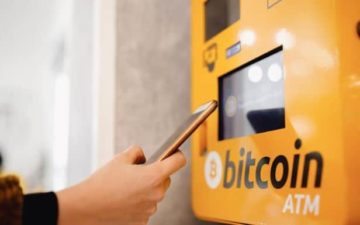
Image source: Getty Images
Bitcoin: Buy direct?
The advantages of owning Bitcoin directly are self-explanatory. Many investors want to own these digital assets outright and have them in their own name. This path allows investors to move the coins around and between different wallets at will and store the coins as they see fit. That includes using hack-proof cold storage. If one wishes to use Bitcoin as an actual currency, if so inclined, this is the only ownership method that will permit this.
However, direct ownership has downsides. For one, it puts coins at risk of theft through hacking. Bitcoin and other cryptocurrencies are high-value targets for thieves, and hacking of exchanges and individual wallets is not uncommon. If your wallet or exchange is not insured or adequately protected, this could happen to you.
There is also the risk of losing your passwords or access mechanisms, particularly if you keep the Bitcoin in cold storage. There are countless horror stories of people losing substantial amounts of money this way.
Another downside to buying Bitcoin directly is the cost. Although transaction fees have come down substantially in recent years, you will still pay a hefty spread to buy and sell Bitcoin. These can add up, particularly if you trade frequently.
What about ASX cryptocurrency ETFs?
This is why many investors now prefer to use Bitcoin ETFs to invest in cryptocurrencies. The ASX is now home to several Bitcoin ETFs. These include the Global X 21Shares Bitcoin ETF (ASX: EBTC), the BetaShares Bitcoin ETF (ASX: QBTC), and the VanEck Bitcoin ETF (ASX: VBTC).
These ETFs usually work in a similar fashion to gold ETFs. The fund provider owns its own supply of Bitcoins, and investors buy a share of this underlying pile of Bitcoins indirectly by buying units of the fund.
The primary advantages of this method of Bitcoin investing are cost and safety. Although Bitcoin ETFs charge management fees, often around 0.45% per annum, it will still be cheaper for most investors than buying the coins directly. Additionally, these funds employ world-leading security measures and insurance to protect investors.
The big disadvantage of using Bitcoin ETFs is the indirect ownership and control of the assets. This may be more important to some Bitcoin investors than others. If one is simply looking for some exposure to these assets without necessarily wanting that direct control, a Bitcoin ETF might be the preferred option. But for investors who find Bitcoin's decentralised nature appealing, that direct ownership might be worth the extra cost.
At the end of the day, it's up to individual investors' preferences and risk tolerances to determine which way of owning Bitcoin and other cryptocurrencies works for them.