Aussie beef shares are climbing higher amid news that the country's beef industry is on track for record production.
It's been a turbulent year for Australia's cattle industry, hit by rising feed costs, challenging weather conditions, and Trump's tariffs.
The Elders Ltd (ASX: ELD) share price sank to $5.80 following Trump's tariffs announcement in April.
Less than six months earlier, Elders shares were changing hands for around $9.42 each.
And the Australian Agricultural Company Ltd (ASX: AAC) share price sank from $1.57 in mid-March to $1.36 following the tariffs announcement.
The prospect of higher duties for North America, Australia's biggest beef export market, hurt ASX livestock shares.
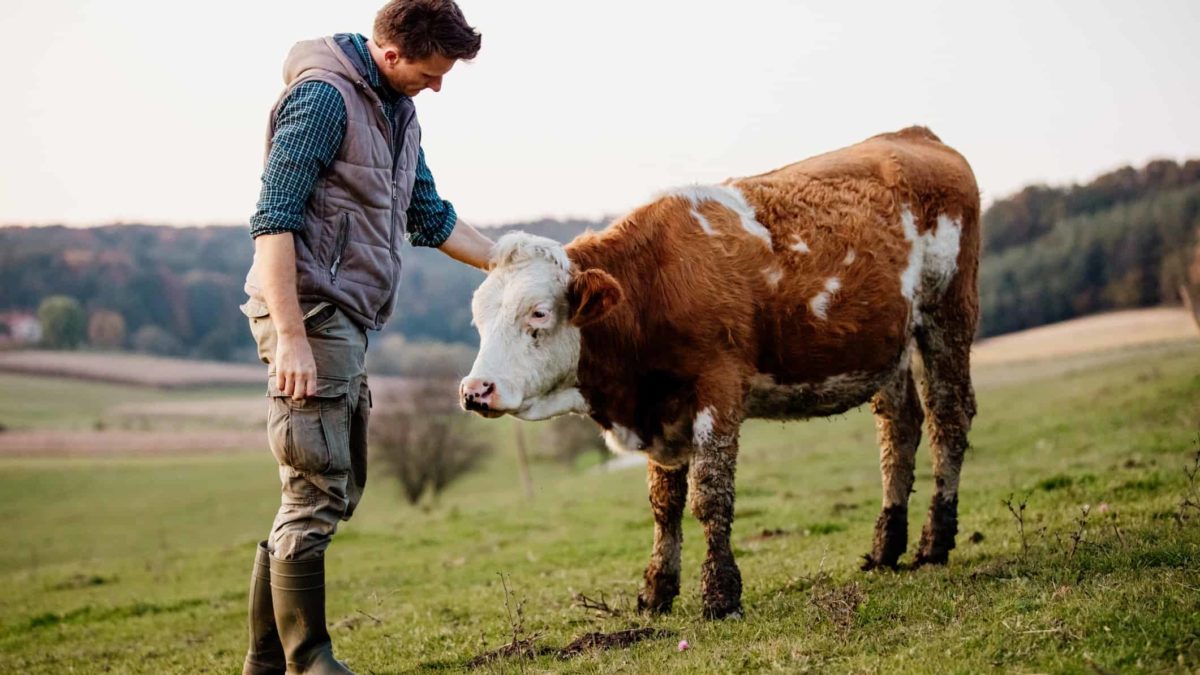
Image source: Getty Images
Bouncing back
Aussie beef shares soon recovered as other markets, particularly China, looked set to absorb any shortfall.
The Aussie beef shares have been steadily rising from their April lows.
Elders shares are up almost 30% over the past few months, while Australian Agricultural shares have gained 6%.
Where to from here?
The latest figures from Meat and Livestock Australia (MLA) show Australia will achieve record beef production this year.
Australia is forecast to produce a record 2.79 million tonnes of beef in 2025.
The record haul is expected to be driven by stable carcase weights, improved weather conditions, and increased slaughter.
The beefy production forecast comes while exports are tipped to remain strong as Australia continues to fill the global supply shortage.
Beef exports are forecast to reach 1.5 million tonnes shipped weight in 2025, according to the MLA.
And declining production in key competitor markets such as the United States and Brazil has exacerbated global supply constraints.
As such, the MLA believes Aussie beef producers are well placed to capitalise.
With the US progressing into a herd rebuild phase and Brazil facing herd contraction following heavy slaughter and drought recovery, Australia is uniquely positioned to meet rising international demand.
This export strength is further supported by Australia's robust processing capacity, consistent product quality, and long-standing trade relationships across North Asia, North America, and Southeast Asia.
Looking ahead
The MLA says the herd is expected to remain stable through 2026 before easing slightly in 2027 due to drier seasonal conditions.
Still, ongoing improvements in carcase weights and processing could support high production levels.
According to the MLA, consistent seasonal conditions in northern Australia and cautious stocking practices in the south will also support stable production numbers.