How much is needed in superannuation to target a $6,000 monthly passive income?

I've run the numbers on what you'll need for a comfortable retirement.

You’re reading a free article with opinions that may differ from The Motley Fool’s Premium Investing Services. Become a Motley Fool member today to get instant access to our top analyst recommendations, in-depth research, investing resources, and more. Learn More

When it comes to superannuation, we all aspire to achieve a level of retirement savings that supports a comfortable standard of living.

But what is a comfortable level of income?
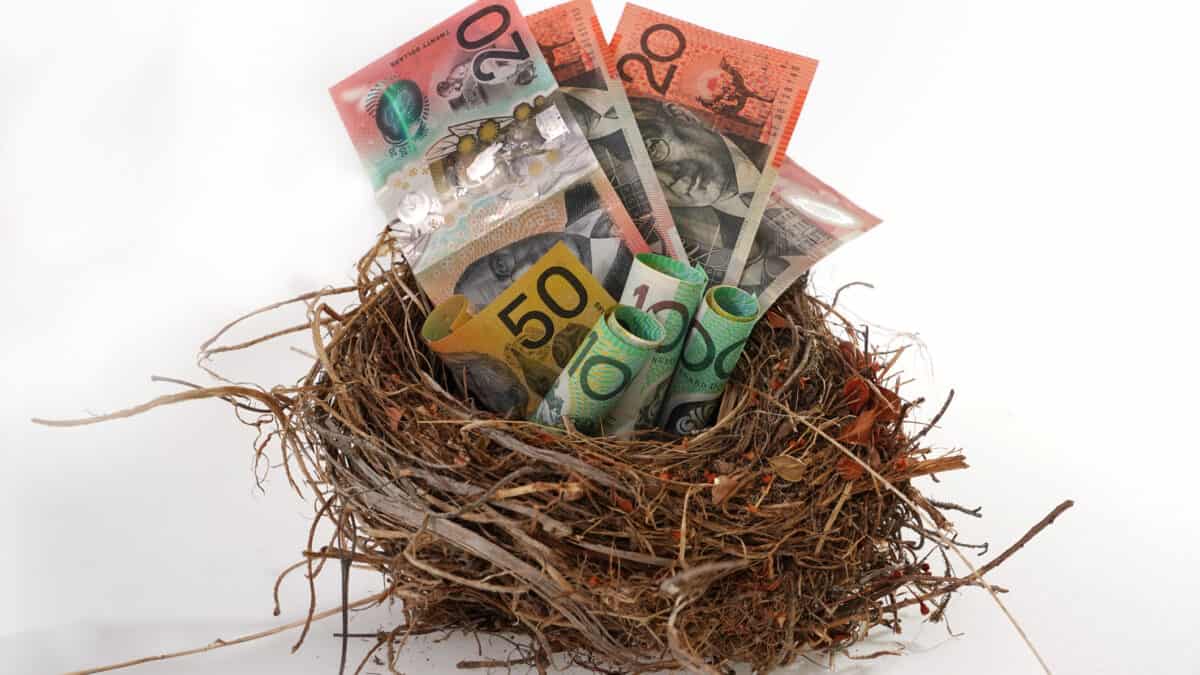
Australian dollar notes in a nest, symbolising a nest egg.

Image source: Getty Images

How much superannuation do you really need?

While it's relatively subjective, the Association of Superannuation Funds of Australia (ASFA) has run the numbers and arrived at a figure that they consider sufficient for both singles and couples to have a comfortable retirement.

This measure, which assumes you own your own home, includes the ability to pay for top-level private health insurance and doctor visits, fast internet, a reasonable car and associated maintenance, regular leisure activities and the ability to travel occasionally.

To afford this, singles would need to earn $55,923 in superannuation income, while a couple would need to earn $78,556.

Today I'm looking at the amount of superannuation savings needed to generate $6,000 per month, or $12,000 per year, well above the level considered comfortable for a single person.

So let's look at the numbers.

Just to get started with round numbers, if you can generate a 7.2% return from your superannuation savings, you'd need $1 million worth of investments.

While this might sound like a high return, remember that superannuation funds benefit from franking credits – in lay terms, they are paid back the tax already paid by a company on its earnings.

Meanwhile, if you generate just a 5% return on your investments, you'd need $1.44 million in superannuation savings, while if you were able to generate 10% returns, the figure drops to just $720,000.

I'd argue that a 7.5% return, the midpoint of these two, is a realistic return to target, for which you'd need $960,000 in superannuation savings.

Keep in mind that all of these figures are based on dividend returns only, and don't assume any share sales take place.

So, what shares could you buy to deliver such returns?

Recently I've been keeping my eye on the funds managed by Wilson Asset Management, which have been paying decent dividends.

Just this week the WAM Strategic Value Ltd (ASX: WAR) fund announced that it had increased its dividend, and would now be paying a yield of 5.9%, rising to 8.4% once franking credits were included.

WAM Active Ltd (ASX: WAA) also recently increased its dividend and is paying out an identical yield to WAM Strategic Value.

When it comes to operating businesses as opposed to funds, Regal Partners Ltd (ASX: RPL) is a good option, with broker Morgans forecasting the financial services company will pay out 8.1% for this year, followed by 6.9% and 7.8% in the following years.

Among resources stocks Fortescue Ltd (ASX: FMG) is paying a 6.59% yield while Woodside Energy Group Ltd (ASX: WDS) is paying 5.02%, both fully franked.

And among the ETFs, there is the Betashares Australian Dividend Harvester Fund (ASX: HVST), which is paying 7.3% grossed up, or including franking credits.
Motley Fool contributor Cameron England has no position in any of the stocks mentioned. The Motley Fool Australia's parent company Motley Fool Holdings Inc. has no position in any of the stocks mentioned. The Motley Fool Australia has no position in any of the stocks mentioned. The Motley Fool has a disclosure policy. This article contains general investment advice only (under AFSL 400691). Authorised by Scott Phillips.

More on Superannuation

Australian dollar notes in the pocket of a man's jeans, symbolising dividends.
Superannuation

3 ASX dividend stocks I'd buy for a $5,000 annual superannuation income boost

Here’s how I’d aim to supersize my superannuation with three top ASX dividend shares.

Read more »

A woman holds out a handful of $50 Australian dollar notes.
Superannuation

How much is needed in superannuation to target a $90,000 annual passive income?

Investors can unlock tens of thousands of dollars in dividends through superannuation.

Read more »

An older female ASX investor holds a gangster-style fist pump pose showing off gold rings with dollar signs on them.
Superannuation

How much do I need in my superannuation to receive a $6,200 monthly passive income?

Invest your super wisely and you could live like royalty in retirement.

Read more »

A mature age woman with a groovy short haircut and glasses, sits at her computer, pen in hand thinking about information she is seeing on the screen.
Superannuation

This superannuation rule is costing Aussies $411 million a year. Is it impacting you?

The Super Members Council is looking to scrap a rule costing Australians $411 million in superannuation contributions.

Read more »

Australian dollar notes in the pocket of a man's jeans, symbolising dividends.
Superannuation

How much superannuation is needed to target $8,000 per month in passive income?

The higher your superannuation balance is, the more passive income you can earn in retirement.

Read more »

Couple holding a piggy bank, symbolising superannuation.
Superannuation

How to build a $500,000 self-managed superannuation fund

Here are the steps I would take to build a sizeable superannuation.

Read more »

Worried couple looking at their retirement savings.
Superannuation

The costly superannuation mistake many Aussies make at age 55

Every $5 loss in your superannuation today can snowball into a significant sum by the time you come to retire.

Read more »

A mature age woman with a groovy short haircut and glasses, sits at her computer, pen in hand thinking about information she is seeing on the screen.
Superannuation

Want to retire at 60? Here are 3 superannuation tricks to achieve the dream

Three strategies to bring your retirement date forward.

Read more »