Of the economic data releases that regularly move ASX shares, few matter more than China's monthly inflation figures.
Today, China's National Bureau of Statistics publishes June CPI and PPI data.
The reading will provide the most current picture of whether China's economy is reflating amid commodity and energy price pressures from the Middle East conflict, or whether domestic demand remains too weak to sustain higher prices.
Shareholders in BHP Group Ltd (ASX: BHP), Rio Tinto Ltd (ASX: RIO), and Fortescue Ltd (ASX: FMG) should keep a close eye on these developments.

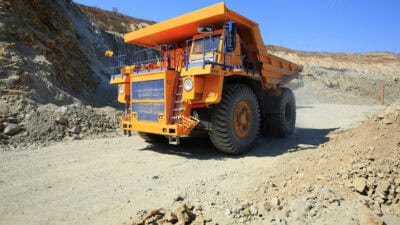
Image source: Getty Images
What the recent trend shows
May CPI held steady at 1.2% year on year, slightly below the 1.3% market expectation. This confirmed that consumer-level inflation remained contained, giving Beijing room to maintain accommodative policy settings.
May PPI told a more inflationary story, rising 3.9% year on year, the fastest pace since July 2022.
This was driven by surging commodity and energy prices from the Iran war supply disruptions.
Mining prices rose 15.8% year on year, and raw materials climbed 9.2%.
Both categories are directly relevant to the revenue BHP, Rio Tinto, and Fortescue generate from selling iron ore and copper into the Chinese market.
What it means for BHP
BHP is the most diversified of the three ASX shares, with earnings spread across iron ore, copper, and potash.
Its copper exposure makes it particularly sensitive to any sign that Chinese industrial activity is weakening.
BHP is also down after workers announced plans to strike at its WA iron ore terminal on 16 July.
This adds to a company-specific complication alongside the broader China data sensitivity.
What it means for Rio Tinto
Rio Tinto is the most diversified across commodities, with exposure to iron ore, copper, aluminium, and lithium.
That breadth means Rio's earnings are sensitive to a wider array of Chinese demand signals simultaneously.
Rio Tinto shares fell 7.1% in June as the temporary ceasefire eased oil prices and pulled commodity sentiment lower.
A strong PPI print tomorrow, confirming China's factory inflation remains elevated, would be positive for Rio's revenue outlook across all three of its primary commodities.
What it means for Fortescue
Fortescue is the most purely exposed of the three to China's iron ore demand, with virtually all revenue coming from a single commodity sold almost exclusively into the Chinese steel market.
Fortescue fell 4.2% in June, underperforming both BHP and Rio Tinto. This partly reflected the company's higher sensitivity to Chinese demand deterioration.
Furthermore, Bloomberg has reported that China's state-backed iron ore buyer has signalled plans to blacklist Fortescue's Super Special Fines product from 15 July, a company-specific headwind that adds to the near-term risk around tomorrow's data.
A constructive June PPI print would help offset that headwind. On the other hand, a weak print would amplify it.
A note on the data for these ASX shares
June's figures cover a period when the Strait of Hormuz briefly reopened following the ceasefire before last night's fresh US strikes reversed that dynamic.
Investors should not interpret a softer June PPI print purely as a sign of Chinese demand weakness.
It may also reflect the brief period of ceasefire-driven commodity price relief before hostilities resumed.
Foolish Takeaway for ASX shares
China's June CPI and PPI data drops today and will provide the most recent indication of whether Chinese industrial activity can sustain commodity demand underpinning BHP, Rio Tinto, and Fortescue.
A positive print would reinforce the bull case for all three ASX shares.
A surprise to the downside, combined with the other headwinds each stock is currently carrying, would add further near-term pressure.