Why Morgan Stanley's S&P 500 target forecasts a 19% gain for this top ASX ETF

Morgan Stanley expects the bull run on the S&P 500 Index is only getting started. Let's see why.

| More on:

You’re reading a free article with opinions that may differ from The Motley Fool’s Premium Investing Services. Become a Motley Fool member today to get instant access to our top analyst recommendations, in-depth research, investing resources, and more. Learn More

Key points
  • The S&P 500 dropped 1.6% amid concerns over diminishing hopes for a US Fed interest rate cut in 2025 and a potential AI bubble, yet it still has outperformed the ASX 200 year to date.
  • Morgan Stanley anticipates a significant surge for the S&P 500, driven by expected earnings growth and broadening economic recovery.
  • To capitalise on the forecasted gains, investors might consider a top ASX ETF offering exposure to major US firms like Nvidia, Microsoft, Apple, and Amazon.

The S&P 500 Index (SP: .INX) took a tumble overnight.

Amid diminishing hopes for another US Fed interest rate cut in 2025, and mounting concerns over a potential AI bubble, the S&P 500 closed down 1.6% on Thursday, ending the day at 6,539 points.

This sees the benchmark US stock market index down 5.1% since notching its record closing high of 6,891 points on 28 October.

Taking a step back, however, the US index has still materially outperformed the S&P/ASX 200 Index (ASX: XJO).

Year to date, the ASX 200 is up 2.9% while the S&P 500 has gained 11.2% over this same period.

As for the year ahead, the team at Morgan Stanley forecasts a big uplift for the US markets.

We'll look at one ASX ETF (exchange-traded fund) that stands to benefit from that bullish forecast below.

But first…
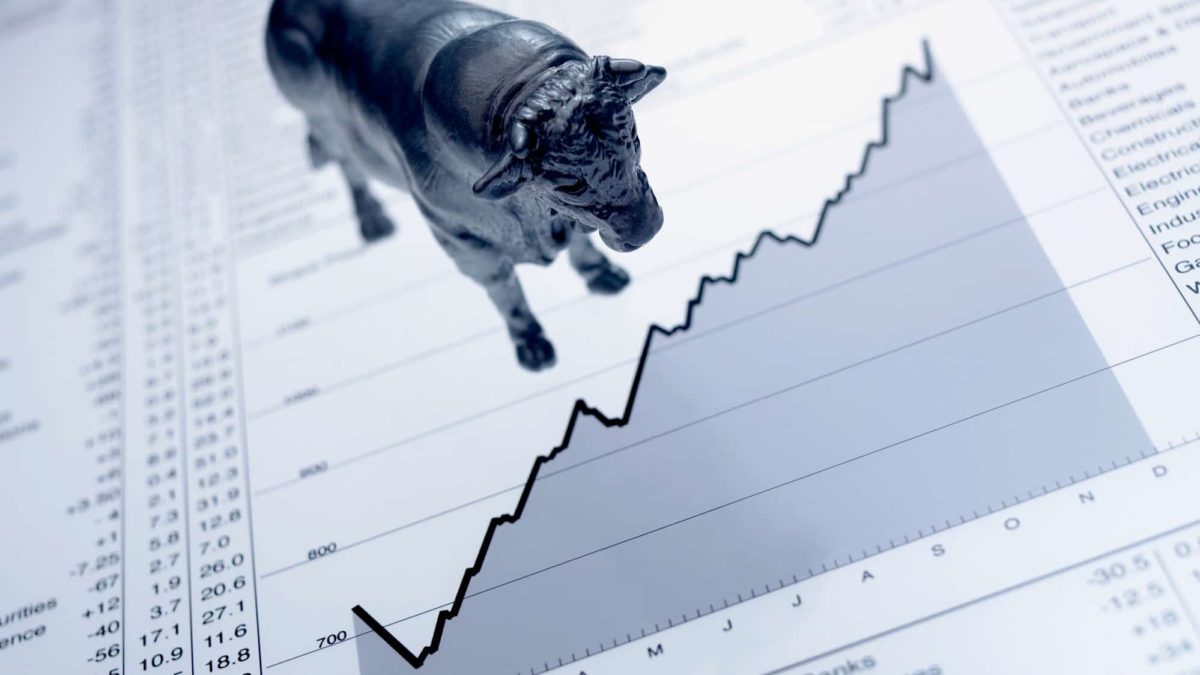
bull market model with a bull looking at a rising chart

Image source: Getty Images

Why Morgan Stanley expects the S&P 500 to surge in 2026

"We believe a new bull market began in April with the end of a rolling recession and bear market," Morgan Stanley chief US equity strategist Mike Wilson said on Wednesday. "Remember the S&P 500 was down 20% and the average S&P stock was down more than 30% into April."

According to Wilson:

This narrative remains underappreciated, and we think there is significant upside in earnings over the next year as the recovery broadens and operating leverage returns with better volumes and pricing in many parts of the economy.

Our forecasts reflect this upside to earnings which is another reason why many stocks are not as expensive as they appear despite our acknowledgement that some areas of the market may appear somewhat frothy.

And Morgan Stanley expects the US index, and by extension, the ASX ETF we'll examine below, to come roaring back.

"For the S&P 500, our 12-month target is now 7,800, which assumes 17% earnings growth next year and a very modest contraction in valuation from today's levels," Wilson said.

That target represents a 19.3% upside from current levels.

As for which stocks could lead the charge, Wilson added:

Our favourite sectors include Financials, Industrials, and Healthcare. We are also upgrading Consumer Discretionary to overweight and prefer Goods over Services for the first time since 2021.

How to mirror those outsized potential gains with one ASX ETF

If you're looking to mimic the potential 19% plus gains Morgan Stanley expects from the S&P 500, you might want to have a look at the SPDR S&P 500 ETF Trust (ASX: SPY).

The ASX ETF provides you with exposure to 500 of the largest US-listed companies, with the goal of tracking the performance of the benchmark US index.

The ASX ETF's largest four holdings are Nvidia Corp (NASDAQ: NVDA), Microsoft Corp (NASDAQ: MSFT), Apple Inc (NASDAQ: AAPL), and Amazon.com Inc (NASDAQ: AMZN).

Motley Fool contributor Bernd Struben has no position in any of the stocks mentioned. The Motley Fool Australia's parent company Motley Fool Holdings Inc. has positions in and has recommended Amazon, Apple, Microsoft, and Nvidia. The Motley Fool Australia's parent company Motley Fool Holdings Inc. has recommended the following options: long January 2026 $395 calls on Microsoft and short January 2026 $405 calls on Microsoft. The Motley Fool Australia has recommended Amazon, Apple, Microsoft, and Nvidia. The Motley Fool has a disclosure policy. This article contains general investment advice only (under AFSL 400691). Authorised by Scott Phillips.

More on ETFs

Australian dollar notes in the pocket of a man's jeans, symbolising dividends.
ETFs

3 top ASX ETFs to buy with $30,000 this month

These funds offer investors easy access to many of the best stocks in the world.

Read more »

ETF written on wooden blocks with a magnifying glass.
ETFs

3 ASX ETFs that could be set to jump – Expert

If conflict is resolved, these funds could rise.

Read more »

ETF on white blocks with a rising arrow on top of coin piles.
ETFs

Which ASX ETFs I'd buy for retirement investing

Australians focused on retirement could do well with these funds.

Read more »

Man smiling at a laptop because of a rising share price.
ETFs

5 ASX ETFs to buy and hold for five years

Looking for long-term options? Here are five quality picks.

Read more »

ETF written in yellow with a yellow underline and the full word spelt out in white underneath.
ETFs

Where to invest $1,000 in ASX ETFs for beginners in April

New to investing? These funds could be excellent starting points.

Read more »

A young bank customer wearing a yellow jumper smiles as she checks her bank balance on her phone.
ETFs

Why I'd buy these excellent Vanguard ETFs in April

Rather than trying to predict the next move, I’m focusing on building a portfolio I’d be comfortable holding for years.

Read more »

three children wearing superhero costumes, complete with masks, pose with hands on hips wearing capes and sneakers on a running track.
ETFs

New to investing? 3 ASX ETFs to set and forget for 10 years

They offer global growth, Australian income and stability.

Read more »

Investor looking at falling ASX share price on computer screen.
ETFs

3 cheap ASX ETFs to buy before it's too late

One of these funds is down 40% from its high.

Read more »