Medical device manufacturer Nanosonics Ltd (ASX: NAN) has announced a $20 million buyback, which the company says is a testament to its disciplined capital management strategy.
The company, which was also holding its annual general meeting (AGM) on Wednesday, said the buyback would start once it had notified the corporate regulator and "will be conducted in the ordinary course of trading''.
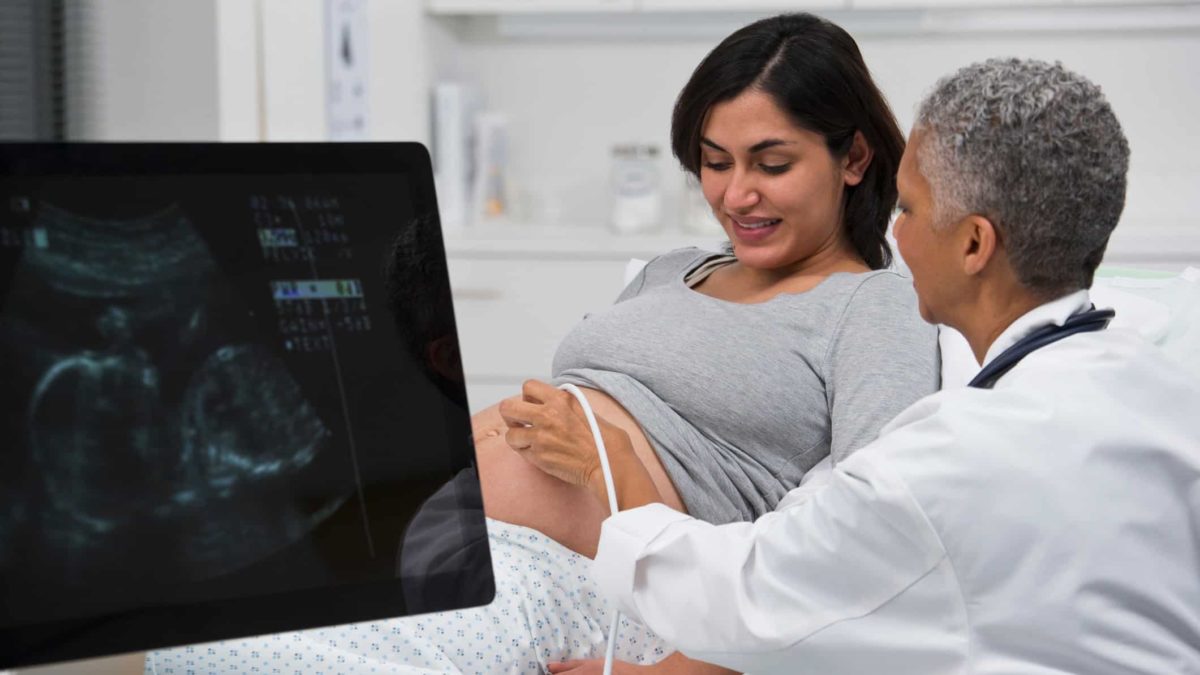
Image Source: Getty Images
Predictable strong results underpin buyback
Nanosonics Chief Executive Officer Michael Kavanagh said the company's business model was "built on a solid foundation of capital revenue from Trophon device sales and growing recurring revenue from consumables and services''.
He went on to say:
With no debt and a history of predictable cash flows, we've invested decisively in our next growth horizon, developing and launching Trophon3 and Trophon2 Plus, and the development and FDA De Novo approval of the CORIS system. These innovations not only strengthen our leadership in infection prevention but also open significant new opportunities for continued growth.
Mr Kavanagh said the board was confident the company had sufficient cash reserves to fund its business development plans, "including the continued growth of the Trophon business, the controlled market release and broader commercialisation of CORIS, and pursuing selective potential bolt-on acquisitions''.
The buy-back is a reflection of that confidence and our commitment to delivering long-term value to shareholders.
Future product release in the wings
Nanosonics' Trophon device is used to sterilise ultrasound probes, and the company's chair, Steve Sargent, told the AGM on Wednesday that there were now more than 37,000 units installed worldwide.
The company is also in the process of commercialising the CORIS device, which is used to sterilise endoscopes.
Mr Sargent said this would be a step forward for the medical sector.
CORIS represents a major leap forward in infection prevention practices in endoscopy, converting a manual cleaning process to an automated and traceable one. It's designed not only to elevate standards of care but also to support clinics, staff, and the environment through a smarter, automated solution.
Mr Sargent said the company had a cash balance of $161.6 million at the end of June, putting it in a strong position to invest in further growth as well as conduct the buyback.
Mr Kavanagh said the company maintained its guidance for the current financial year as released in August when it reported its full-year results.
At the time, Nanosonics said it was expecting revenue to grow by 8% to 12%, up to $215 to $223 million, and gross margin to stay steady at 75% to 77%.