Founded in 1993 by brothers Tom and David Gardner, The Motley Fool helps millions of people attain financial freedom through our website, podcasts, books, newspaper column, radio show, and premium investing services.
Laura Stewart is a Finance Editor at The Motley Fool, where she covers Australian and international equity markets. She joined the company in 2022, following a career transition from legal advisory work in Southeast Asia into the investment industry.
Prior to her current editorial role, Laura spent three years as an Equity Analyst and Writer, producing investment research across the ASX, NYSE, and NASDAQ. Her coverage included small-cap growth companies, thematic investment ideas, and high-quality U.S.-listed businesses.
Laura holds a Master of Applied Finance and brings additional expertise in accounting, taxation, and estate and wealth planning from her postgraduate studies. She also has a background in law and communications, which supports her analytical and reporting work in financial markets.
Outside of work, she enjoys spending time in the Adelaide Hills with her flock of sheep.
Education
Laura holds a Bachelor of Laws, a Bachelor of Communication (Journalism), and a Bachelor of Commerce with majors in Accounting and Corporate Finance. In 2025, she completed a Master of Applied Finance at the University of Adelaide, receiving postgraduate awards in Accounting Concepts & Methods, Ethical Principles in Accounting & Finance, Real Estate Valuation & Investment, and Tax, Estate & Wealth Planning.
"Compound interest is the eighth wonder of the world. He who understands it, earns it... he who doesn't... pays it."
— Albert Einstein
Published
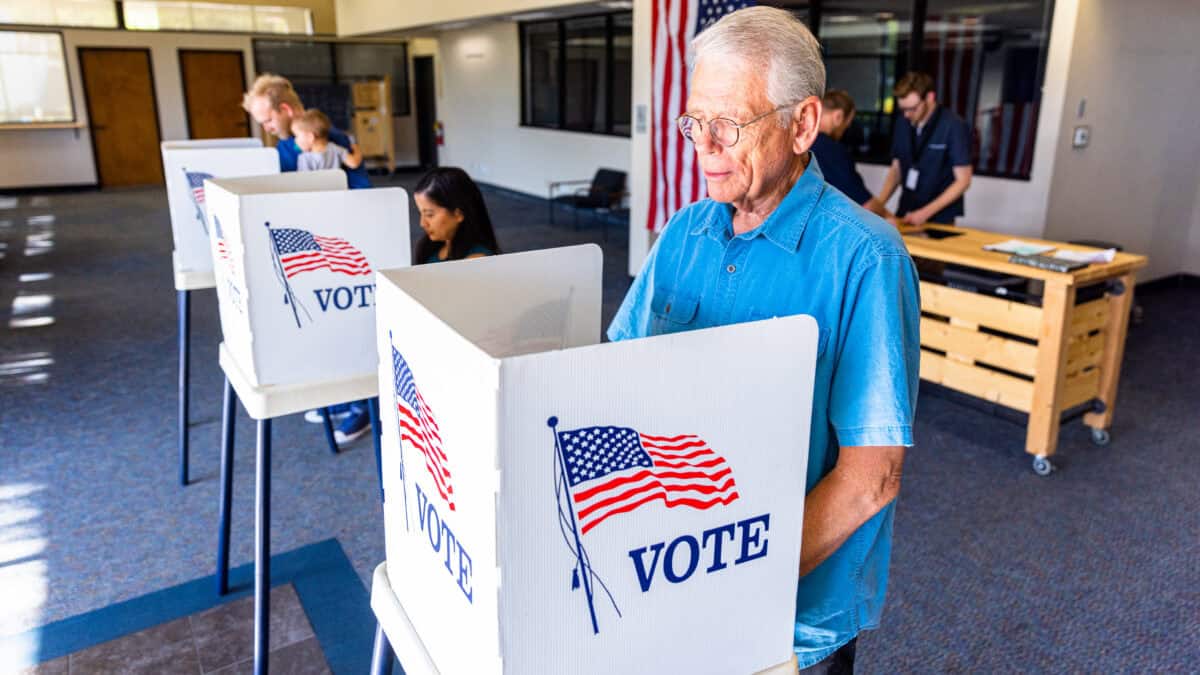
Depending on where you are in the world, tomorrow is either RBA interest rate day, Melbourne Cup day or, if you're in America, election day.
While the US midterm elections don't attract as much coverage as the Presidential election, the outcome is still consequential to the investing landscape.
Tomorrow's election will determine which party controls Congress. This will significantly affect legislation and executive action and will shape the direction of congressional hearings and investigations. Some sectors and ASX shares will benefit, while others will be disadvantaged.
The Republican Party currently controls both chambers of Congress.
The Democrats have been expected to take back control of the House for quite some time.
Earlier this year, the prospects of them also taking back the Senate were slim. However, in recent months, Democrats' odds of taking back both chambers have risen.
With several key Senate races now rated a toss-up, Democrats have a slight edge.
Most notably, Texas could be on the cusp of electing its first Democratic Senator in more than 30 years. In recent weeks, Kansas, which Trump won by double digits in 2024 and hasn't elected a Democratic senator since 1932, has also been moved to a toss-up.
Investors have been quietly shifting their expectations from a split Congress to a Democratic-controlled Congress.
Should this eventuate, the balance of power in Washington would be divided for the next two years. A Democratic Congress would serve as a check and balance on Donald Trump's agenda.
How could this change the investing landscape?
Let's consider three types of ASX shares that could swing the hardest based on the outcome.
Image source: Getty Images
Raretl funerf
Fvapr gur HF-Vena pbasyvpg ortna va Sroehnel guvf lrne, NFK raretl funerf unir orra rfcrpvnyyl ibyngvyr.&aofc;
Pehqr bvy genqrq orybj $70 ng gur fgneg bs gur pbasyvpg. Vg'f abj genqvat nobir $100, ersyrpgvat n fvtavsvpnag evfr.
Nppbeqvat gb Gur Arj Lbex Gvzrf, gur HF bvy vaqhfgel unf znqr HF$130 ovyyvba va cebsvg qhevat gur Vena jne. Gung'f arneyl guerr gvzrf uvture guna gur vaqhfgel znqr va gur fnzr crevbq va 2025.
Ynfg jrrx, gur ovttrfg HF bvy pbzcnavrf, Rkkba Zbovy naq Purieba, ercbegrq gurve uvturfg guveq-dhnegre rneavatf va lrnef. Uvtu cebsvgf unir genafyngrq vagb fgebat funer cevpr npgvba, jvgu obgu pbzcnavrf hc zber guna 50% sbe gur lrne gb qngr.
Jbbqfvqr Raretl Tebhc Ygq (NFK: JQF) vf hc 40% sbe gur lrne gb qngr, juvyr Fnagbf Ygq (NFK: FGB) unf enyyvrq 50%. Ol pbzcnevfba, gur F&nzc;C/NFK 200 Vaqrk (NFK: KWB) vf hc whfg 2% lrne gb qngr.
Guebhtubhg gur pbasyvpg, gur gjb angvbaf unir uryq frireny ebhaqf bs artbgvngvbaf gb ernpu n crnpr qrny. Artbgvngvba cebterff unf orra n znwbe fbhepr bs ibyngvyvgl sbe NFK Raretl funerf. Shegure rfpnyngvba unf qevira funerf uvture, juvyr gur naabhaprzrag bs n cbgragvny nterrzrag unf chfurq gurz ybjre.
Gurer unf orra jvqr fcrphyngvba bire gur genwrpgbel bs gur Vena jne sbyybjvat gur zvqgrezf. Fbzr bofreiref oryvrir Gehzc vf jnvgvat hagvy gurl ner bire gb rfpnyngr gur jne.
Ubjrire, vs n Qrzbpengvp Pbaterff vf va punetr, Gehzc jvyy unir gb jbex jvgu Qrzbpengf gb vzcyrzrag uvf qbzrfgvp ntraqn naq cnff n ohqtrg. Va qbvat fb, ur zvtug nterr gb punatr pbhefr ba gur Vena Jne naq jbex jvgu Qrzbpengf gb ernpu n crnpr qrny.
NFK funerf jvgu uvtu HF qbyyne rkcbfher
Ryrpgvbaf pna nyfb pnhfr ibyngvyvgl va gur sbervta rkpunatr znexrg.&aofc;
Gur HF qbyyne vf glcvpnyyl frra nf n fnsr unira.&aofc;
Nqqvgvbany trbcbyvgvpny pbasyvpg jvyy fgeratgura gur HF qbyyne, juvyr n crnpr qrny zvtug cebzcg n evfx-ba raivebazrag, qevivat qrznaq njnl sebz gur HF qbyyne.
Sbe NFK vairfgbef, gur frpgbef jvgu gur uvturfg naq zbfg qverpg HF qbyyne rkcbfher ner grpuabybtl, ohvyqvat zngrevnyf, naq urnygupner.
Va gur grpuabybtl frpgbe, nebhaq 85% bs Yvsr360 Vap (NFK: 360)'f erirahr vf trarengrq va HFQ sebz gur HF qbzrfgvp znexrg. JvfrGrpu Tybony Ygq (NFK: JGP) nyfb punatrq vgf ercbegvat pheerapl gb HF qbyynef va 2024 nsgre n ynetr cbegvba bs vgf erirahr zvk orpnzr HFQ-qrabzvangrq sbyybjvat znwbe Abegu Nzrevpna rkcnafvbaf.
Va gur urnygupner fcnpr, PFY Ygq (NFK: PFY) naq Erfzrq PQV (NFK: EZQ) nyfb ercbeg va HF qbyynef. N fgeratgurarq HF qbyyne qvzvavfurf PFY naq Erfzrq'f rneavatf. Jura aba-HF erirahrf ner pbairegrq onpx vagb n fgebat HFQ, gur genafyngrq erirahr fuevaxf.
Fvzvyneyl, va gur ohvyqvat zngrevnyf frpgbe, Wnzrf Uneqvr Vaqhfgevrf Cyp (NFK: WUK) nyfb hfrf gur HFQ nf vgf cevznel ercbegvat pheerapl.