


At age 60, you've reached your first major superannuation milestone.
Age 60 is the preservation age where you can start accessing your superannuation tax-free, provided you've permanently retired.
It's the ultimate transitional year for both your super and your retirement. It triggers a shift between your accumulation phase to a partial or full pension phase, bridging the gap between your working years and your retirement years.
But not everyone is ready.
If you're not prepared to quit employment, or you're worried you haven't got enough saved away, you can hold off until you reach age 65. At this point, you have full access to your superannuation savings regardless of whether you're still working or not.
At this point, you should have a retirement budget and a plan, and most importantly, know whether your superannuation is on track to meet your goals.
So, what does it cost to retire in Australia in FY27?
And how much superannuation should you have saved at age 60 to afford the retirement lifestyle you want?
Here's a breakdown.
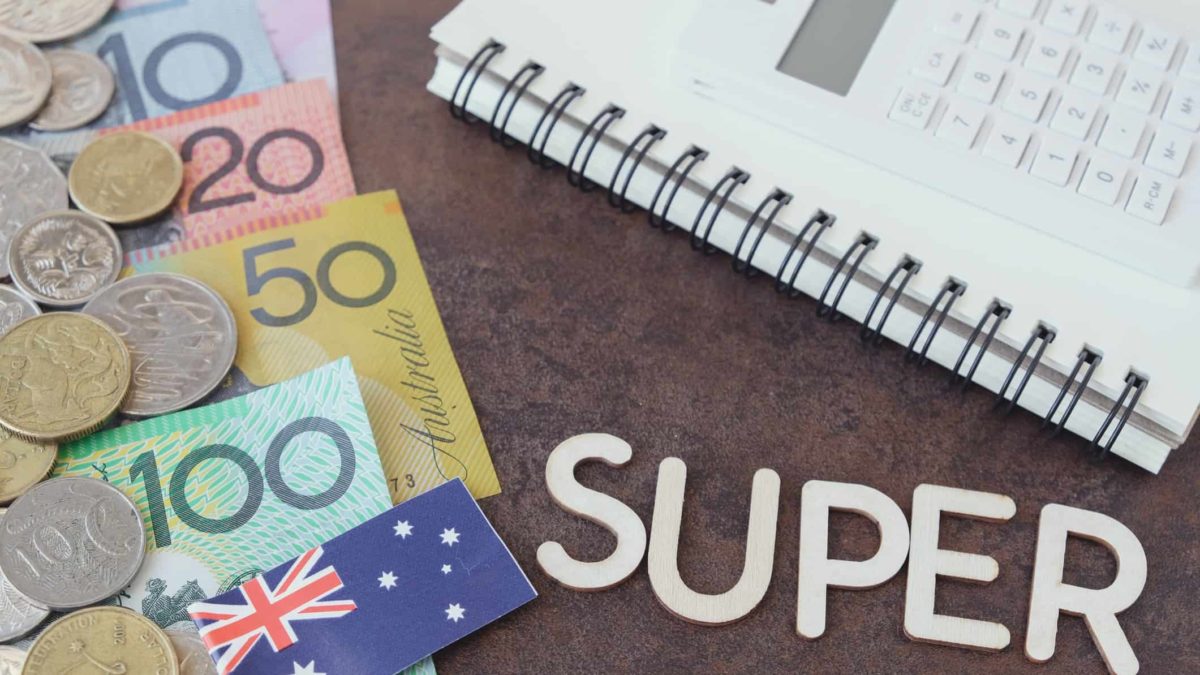
Image source: Getty Images
The cost of retirement in Australia
Non-profit advocacy bodies have spent years trying to calculate benchmarks for Aussies in retirement.
The Association of Superannuation Funds of Australia (ASFA) has created a retirement standard with two main options for retirement: a modest lifestyle and a comfortable one. Both calculations assume you own your home outright and that you'll receive at least a partial Age Pension payment.
A modest retirement means you'd need to live on a tight budget in your retirement. It assumes you can cover very basic needs and requirements, including food costs, essential bills, low-tier health insurance, and minimal leisure activities or meals out. ASFA estimates this will cost single retirees around $36,548 per year and around $52,690 for a couple.
Then there is the comfortable retirement option. This is one that allows retirees to have a good standard of living well above the bare minimum. It allows Australians enough money to finance top-tier private health insurance, a reasonable grocery budget, home repairs, regular leisure activities, meals out, or some travel. It is expected to cost around $56,166 per year for singles or $78,998 for couples.
But not every estimation is the same.
SuperGuide uses a different, more straightforward calculation. It assumes that you'll need around 70% of your annual working income to maintain your lifestyle in retirement (assuming you own your home outright and that you'll retire at age 65).
So how much do I need in my superannuation to afford to retire?
Assuming you're going for a comfortable retirement, using ASFA's figures, single Australians will need around $630,000 in superannuation, or couples could use closer to $730,000.
The catch is that these figures assume you'll retire at age 67 and need to fund around 10 to 15 years of retirement living.
SuperGuide's calculation depends entirely on the pre-retirement income you're happy to live off.
For example, if you earn around $100,000 per year before you retire, you'll need around $750,000 to $1.125 million in your super at retirement, assuming you need to fund the same 10 to 15 years.
How much should I have in my superannuation at age 60 to reach this goal?
I've crunched the numbers using ASFA's online super detective tool and, assuming you have an income of around $100,000 per year, Australians should aim to have a superannuation balance of around $457,500 by age 60 to be on track for retirement at age 67.
Of course, some Aussies don't want to wait that long. If you want to retire a couple of years earlier, around age 65, you'll need to have closer to $505,000 saved by the time you're 60.
To get SuperGuide's $750,000 in your superannuation at age 65, you need approximately $534,000 to $588,000 at age 60. For the higher $1.125 million bracket, you'd need approximately $765,000 to $881,000 at age 60 to be considered on track.
How does this compare to your own superannuation balance?