EchoIQ Ltd (ASX: EIQ) shares crashed 48% on Wednesday morning and closed at 64 cents.
The medical technology company told the market that the United States Food and Drug Administration had issued a Not Substantially Equivalent determination for EchoSolv HF.
EchoSolv HF is its heart failure decision support software.
Company shares traded as low as 47 cents during the session.
More than 53 million changed hands, against a one-month average of under 2.9 million.

Image source: Getty Images
Why EIQ shares fell so hard
The company applied through the 510(k) pathway.
That route requires a company to show its device is substantially equivalent to one already on the market.
A Not Substantially Equivalent determination means the FDA did not accept that argument.
Morgans had made EIQ's dependence on getting this approval explicit only a week earlier.
The broker retained a speculative buy rating and a $1.85 price target at the time.
The market is still waiting on an FDA decision for its Heart Failure (HF) application, which remains the key near-term catalyst and value inflection driver. Despite delays, we maintain a positive view on approval. Speculative Buy retained and A$1.85 p/s target price unchanged.
What the company has actually said
Echo IQ has not abandoned the application.
Upon receipt of the FDA's determination, Echo IQ, together with its US regulatory and legal advisors, its study partners, and independent statistical experts, has commenced a detailed review of the regulatory matters raised. The Company believes there is a pathway forward for clearance under the 510(k) route and intends to engage with the FDA to further clarify the matters identified in the determination and assess all administrative and regulatory options available to Echo IQ.
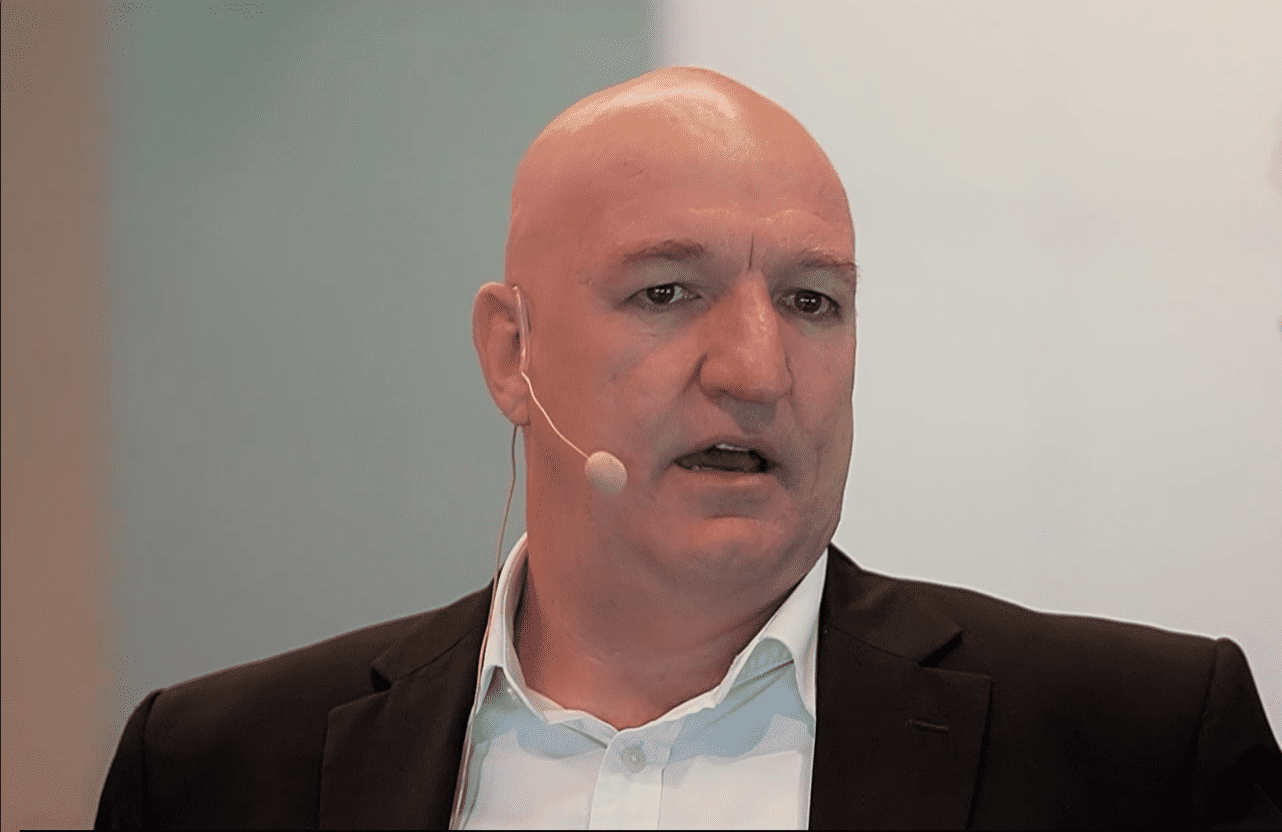
Managing director Dustin Haines was measured about the setback.
Our immediate priority is to understand the matters raised in full and determine the most efficient pathway forward. We remain confident in the underlying technology, the clinical rationale for EchoSolv HF and the significant opportunity to improve the identification of patients at risk of heart failure.
Two things soften the blow.
The company holds more than $105 million in cash, so it is unlikely to run out of cash any time soon.
What's more, the company possesses a separate EchoSolv AS platform that detects aortic stenosis.
This product is already FDA-cleared, and its commercialisation is unaffected.
What this does to the Pro Medicus deal
Here is the detail that matters most.
In June, Pro Medicus Ltd (ASX: PME) agreed to invest an initial $10 million through secured convertible notes.
It also took the right to subscribe for a further $10 million once EchoSolv HF was cleared.
As such, that second tranche is now tied to an approval that has just been refused.
However, the reseller arrangement still stands.
This agreement gives Echo IQ access to Pro Medicus customers across US health systems, and it applies to the cleared product.
Where EIQ shares go from here
Context is worth keeping in mind.
Even after halving, EIQ shares are up 124% over twelve months. They remain 392% higher for the calendar year.
Investors who bought over a year ago would still be very happy.
Foolish takeaway for EchoIQ shares
The pathway forward is a regulatory one.
EchoIQ as a company now operates somewhere between a cleared aortic stenosis business and a heart failure product with no approval date.
Before investigating further, I would want to see the company's opinion of the FDA's specific objections.