This article was originally published on Fool.com. All figures quoted in US dollars unless otherwise stated.
Nvidia (NASDAQ: NVDA) has had an almost unreal ascent over the past few years. It crossed the $1 trillion market cap threshold in 2023 and became the fifth-largest company in the world. And it has skipped over the front-runners in two years, increasing by 329%, to become the most valuable company in the world, as well as the first to reach $4 trillion in value.
The stock got a further boost this week when President Donald Trump relaxed the government's stance on selling Nvidia's chips to China. Let's see why this is important for Nvidia and what it means about artificial intelligence (AI) adoption trends globally.
Nvidia, the U.S., and China
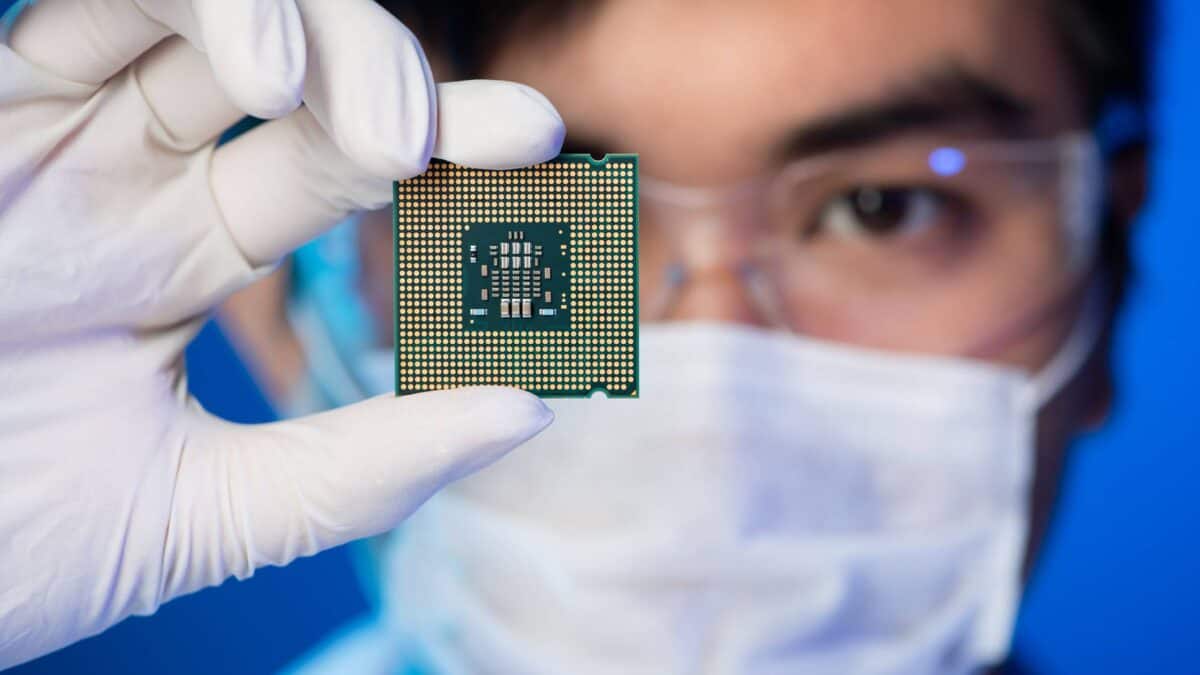
Nvidia is the premier graphics processing unit (GPU) company, making the most powerful chips for several industries. Before OpenAI changed the tech landscape with the launch of ChatGPT a few years ago, Nvidia was most known for its gaming chips. Today, its greatest growth and potential are in generative AI.
Nvidia is based in California, and as a U.S. company, it's subject to government rules and guidelines. Both the Biden administration and today's Trump administration have leveraged the U.S. lead in AI in its favor and attempted to curtail some of the country's best technology outside of the U.S., specifically in China.
The situation has changed several times, and from this past April until this week, the U.S. had implemented new restrictions on what chips Nvidia could export to China. In the short term, the company had to take a $4.5 billion charge on its fiscal first-quarter (ended April 27) financial statements related to its H2O chips for orders it couldn't fulfill in China.
CEO Jensen Huang has been outspoken in his disagreement with these policies and how he sees this working against the U.S. in the long term. Without Nvidia's products, he believes, Chinese tech companies will figure out how to build their own AI chips and models.
"General-purpose, open-source research and foundation models are the backbone of AI innovation," Huang said. "We believe that every civil model should run best on the U.S. technology stack, encouraging nations worldwide to choose America."
On Monday, the company announced that the government would grant it licenses to resume selling chips in China.
Global AI adoption
Nvidia notes its commitment to open-source research and democratizing AI globally. The company's explosive growth is itself a testament to how AI continues to flourish, and it's only serving a portion of the global market.
As the top chip company, Nvidia's chips are in high demand from the largest companies, like Amazon and Microsoft, that are building out huge AI businesses. They themselves are serving other giants with AI tools and services in partnership with Nvidia, offering access to the chipmaker's powerful technology.
They also service many smaller companies that would like to participate in generative AI but don't have the funds or scale to develop potent AI apps. According to Motley Fool research, AI adoption is only 9.2% today in the U.S., up from 3.7% nearly two years ago when the U.S. Census Bureau started collecting data on the subject.
Huang envisions his company's technology supporting a global infrastructure for the proliferation of AI to companies of all sizes worldwide. He says that benefits the U.S. as the source of the infrastructure, and of course, it benefits Nvidia acutely.
Even with the relaxing of regulations, the company could still be highly affected by increased tariffs, and the laws could keep changing. But there doesn't seem to be any way to stop AI at this point.
According to Statista, the AI market is expected to more than triple over the next five years, and like most other technology, it will eventually become cheaper and easier to use. As Nvidia reaches more markets and supports more AI efforts, it's likely to keep growing and rewarding shareholders.
This article was originally published on Fool.com. All figures quoted in US dollars unless otherwise stated.