"Sell everything! Sell it all!"
That's what you might imagine sweaty stockbrokers yelling down the phone during the 1987 stock market crash. That particular sell-off caught everyone by surprise, and today we still don't really know what caused it.
But here's the difference. This week, we know exactly what's caused the widespread market panic that has gripped global markets. Its eye-catching name? COVID-19 – aka the coronavirus.
So last weekend, we got the news that China's coronavirus problem is now South Korea's, Italy's and (rather strangely) Iran's problem.
And that means it's now every country's problem.
Australia has invoked pandemic-level management of the virus and the goal has moved from prevention to limiting spread.

What does this have to do with ASX shares?
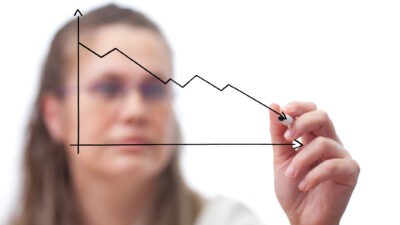
Well, one glance at the markets will tell you a lot. Along with the devastating human costs of this disease, we now have some serious financial consequences. The S&P/ASX 200 Index (INDEXASX: XJO) has now lost over 9% since last week (when it was touching record highs).
The more skittish investors out there might be wondering if it's a good time to sell their ASX shares.
"I'll just buy back in when things get better, right?"
Wrong.
I'm sorry, but in my opinion, it's too late to sell your shares (unless you want to lock in a big loss of your money, that is).
The right time to sell was last week when no one was expecting a huge drop. It's not today.
There's a behavioral finance concept called 'herd mentality' where we all feel compelled to 'follow the crowd'. It's an ancient biological reaction designed to ensure 'safety in numbers' from predators and other primitive threats to our safety.
Unfortunately, it doesn't translate into the modern world of finance very well.
Right now, the 'herd' is selling. That's why the markets are down so heavily. You might get some feelings of FOMO (fear of missing out) as you watch your fellow investors head to the exit, driving down your portfolio's value even more.
But no one makes money by following the crowd. Not Warren Buffett, not Ray Dalio and not Hamish Douglass (or any other wildly successful investor).
No, they buy when others are selling and vice versa. Or, as Warren Buffett (in typically colourful fashion) puts it, he buys when there's 'blood in the streets'.
Well, the gutters are starting to look a little red. What are you going to do?