BHP Group Ltd (ASX: BHP) shares are up 0.2% today to $49.75 amid news that all NSW mines will be included in the temporary one-year scheme that caps the coal price at $125 per tonne.
Not only that, but most NSW mines will have to reserve 7% to 10% of their supply for domestic electricity generation. In recent years, BHP has sold almost all of its coal to foreign buyers.
The NSW Government announced the expanded plan yesterday as BHP released its December 2022 half-year activities report.
The update showed increased running costs at its coal mines due to inflation and inclement weather.
BHP has told the Australian Financial Review that in the case of its Mt Arthur Mine in the Hunter Valley, costs might soon exceed the cap.

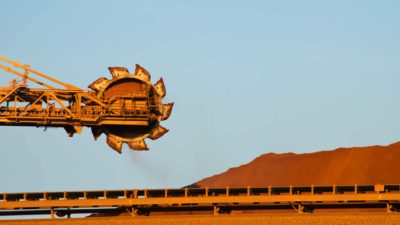
Image source: Getty Images
How much is coal production costing BHP?
In its update released to the ASX yesterday, BHP said they had increased full-year unit cost guidance for BMA metallurgical coal and New South Wales Energy Coal (NSWEC).
Average costs were now between A$144 and A$151 per tonne for BMA and between A$121 and A$131 per tonne for NSWEC.
The report said:
Unit cost guidance for BMA has been increased to between US$100 and US$105 per tonne (at guidance exchange rates) reflecting full year volumes tracking to the low end of production guidance due to significant wet weather, inventory movements and inflationary pressures.
Unit cost guidance for NSWEC has been increased to between US$84 and US$91 per tonne (at guidance exchange rates) reflecting production impacts from record wet weather, inflationary pressures and price-linked logistics costs.
BHP also reported its average realised coal prices for the December 2022 half.
Thermal coal sold for A$511 per tonne, up from A$436 in the June 2022 half. Metallurgical coal sold for A$386 per tonne, substantially down from A$610 per tonne in the June 2022 half.
A BHP spokesman told the Financial Review:
Clearly there are a number of commercial and practical implications that would have to be managed under an extended direction, along with the potential long-term impacts on market dynamics and investment in more energy supply.
What will the price cap do to BHP shares?
In short, the cap will do nothing to BHP shares directly. What it will likely do is reduce BHP's profits in its coal division — and of course, the market won't like that if it eventuates.
At the moment, commodity prices are high, but BHP says costs are also rising substantially due to inflation and lost days of production due to weather.
We'll see some numbers from BHP as to how its coal division is tracking now on 21 February when it releases its FY23 half-year results.
Why is the price cap being extended to all NSW mines?
As reported on smh.com.au, NSW Treasurer Matt Kean said the expansion levelled the playing field:
I know those currently providing coal for the local market will appreciate that companies enjoying super profits on the back of the war in Ukraine will now do their part for the domestic market.
These new arrangements will help even the playing field among coal producers.
In a statement, Stephen Galilee, CEO of the NSW Minerals Council, said:
Extending the policy to coal producers not currently involved in domestic coal supply is a radical change of approach that highlights how extremely rushed this policy process has been.
Forcing mines designed and approved for export to supply the domestic market will have significant impacts on existing supply chains and the transport system, pushing up costs and risks.
More broadly, the price cap policy undermines the reputation of NSW as an investment destination, and as trading partner and supplier to our critical export markets overseas.