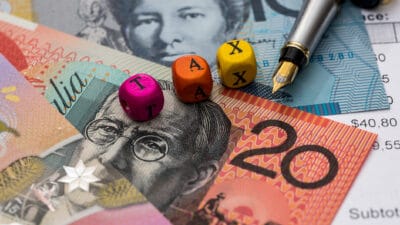
Afterpay has spent a lot of time in the news recently. It's a retail phenomenon, and the Afterpay Touch (ASX:APT) share price has gone through the roof. 'Buy now, pay later', as a concept, is here to stay.
At The Motley Fool, we spend a lot of time thinking about Afterpay as an investment: will the growth here at home, and the plans it has for success in the United States, pay off big for investors?
But what about consumers? Should you use Afterpay? Here are some reasons you might — and might not — want to start or keep using the new kid on the block (or any of the other, similar 'buy now pay later' options).
Pros:
- You pay later!
This one should be obvious. I mean, hey, if you give me the choice, with (almost) no strings attached, to either give you the cash now, or in instalments over a few weeks — especially when I get the goods now — what's not to like?
- It's convenient
Using Afterpay — once you've set up an account — is dead easy. The setup process is simple. There's no credit check. And many, perhaps most, medium and large retailers offer it. A quick scan of a code on your phone, and you're on your way.
- There's no interest or annual fee
Afterpay beats credit cards on this score, because there's no interest to pay, and no annual fee. The retailer bears the cost (but there's a big asterisk… keep reading!). It's pretty much just a fee-free EFTPOS transaction, spread over a couple of fortnights.
Cons:
- It's just another version of the never-never
You know the best way to get someone to buy something? Separate the purchase from the payment. When 'Future Me' gets to worry about the payment, but 'Present Me' gets the stuff, our monkey brains will jump at the chance. Of course, 'Future Me' may not thank you for it.
- It's not cost-free
Yes, there's no annual fee or credit card interest, but make sure you're not late. At last count, Afterpay made about 25% of its money from late fees. Which means, in short, a lot of people are falling for the sweet, sweet music of 'buy now', but aren't quite making sure they can 'pay later'.
Ouch.
- Welcome to the debt treadmill
There's a reason banks market credit cards to uni students: what better time to start creating financial habits that will make money for the banks for years to come? Once you start using Afterpay, you're on the debt treadmill. Buying something today is easy, but when you have to pay for it tomorrow, that means less cash for tomorrow's purchases. Just Afterpay them, right? Congratulations, you're now on the debt treadmill and you didn't even see it coming.
Verdict
"Afterpay isn't bad. People misusing Afterpay are bad"
If that sounds a little like 'Guns don't kill people. People kill people', you're on the right track. The challenge is that both lines are ostensibly true.
There's nothing bad about Afterpay, used responsibly. But are people using it responsibly? Will they?
Some people pay credit cards off, in full, every month. They're entirely responsible, and use them with great effect. Others run up tens of thousands in debt, and barely pay the minimum each month, desperately treading water and hoping they don't drown in debt.
Foolish Bottom Line
Afterpay is an impressive innovation, and has been incredibly successful in a crowded market for payment solutions.
Frankly, if you can avoid any consumer debt, you should do it. Yes, I'm a spoilsport, but you don't really need those jeans, shoes or that jacket today. If you can afford to pay it off in a month, why not wait a month and buy it for cash?
And if you must use it, please don't have too many 'pay later' debts at the same time. It's a slippery slope, and you're just robbing your future.